Planning a first safari to Uganda and Rwanda raises a specific set of packing questions. Forest trekking, savannah game drives and long travel days call for different things, and the two climates sit only a few hours apart. This list covers what to bring, what you can leave at home, and what is already provided on the ground.
One day you may be walking through wet forest, the next sitting in open sun on a game drive. The list below covers clothing, footwear, trekking gear, health, electronics, documents and baggage.
Quick Packing Checklist
This checklist suits a typical 7 to 10 day Uganda or Rwanda safari with laundry available at the lodges. Adjust the quantities for a longer trip, for the activities you have booked, and for your baggage allowance. Fewer items work when you can wash and re-wear through the trip.
Clothing
- 3–4 lightweight shirts or T-shirts
- 2 long-sleeved shirts
- 2 pairs of lightweight safari trousers
- 1 fleece or warm layer
- 1 waterproof rain jacket
- Underwear and socks for your laundry schedule
- Comfortable clothes for evenings
Footwear and trekking
- Waterproof hiking boots with good grip
- Comfortable trainers or walking shoes
- Sandals for the lodge
- Gardening or trekking gloves
- Gaiters or long socks
- Small daypack and refillable water bottle
Safari equipment
- Binoculars
- Camera or smartphone and chargers
- Power bank and universal travel adapter
- Sun hat, sunglasses and sunscreen
- Insect repellent
- Dry bag or waterproof cover
Health and documents
- Passport and required visas
- Vaccination documents where required
- Travel insurance details
- Prescription medicines
- Personal first-aid essentials
- Flight and safari confirmations
What should you wear to feel comfortable and blend in?
You will be outdoors from early morning until evening, so clothing does more work here than on most holidays. Here’s what to consider:
- Neutral shades in khaki, olive, beige or brown are the practical choice, because they hide dust and mud and are less conspicuous in forest. You do not need to wear khaki for your whole holiday, and normal holiday clothing in muted colours is fine.
- Avoid bright white and neon, which stand out on a game drive and show dust immediately.
- Avoid military-style camouflage clothing entirely. It is restricted in several countries on this route and can cause difficulties at borders.
- Choose lightweight, breathable, quick-drying fabrics you can layer.
Pack these safari staples:
- Long-sleeved shirts and trousers for forest walks, for sun, insects and thorny undergrowth
- T-shirts for warm afternoons
- A light scarf or bandana for dust on game drives
- Shorts or light pants for lodge relaxation
- A warm jacket or fleece—mornings and nights in the mountains can drop to 10–15°C (50–59°F)
- Waterproof rain jacket
- Lightweight casual trousers for evenings. Heavy denim is slow to dry and takes up space you will want for other things.
- Sports bra for women (bumpy roads = extra support)
In Uganda and Rwanda the layers matter more than the individual items. A dawn game drive and midday on the same day can feel like different seasons.
Which shoes actually work on safari?
Footwear is where most guests go wrong.
- Waterproof hiking boots with grip are worth having for gorilla and chimpanzee trekking, where the forest floor can be steep and muddy. They are not required for every activity on the trip.
- Comfortable trainers or walking shoes cover game drives, lodge grounds and travel days.
- Sandals or flip-flops for downtime at the lodge.
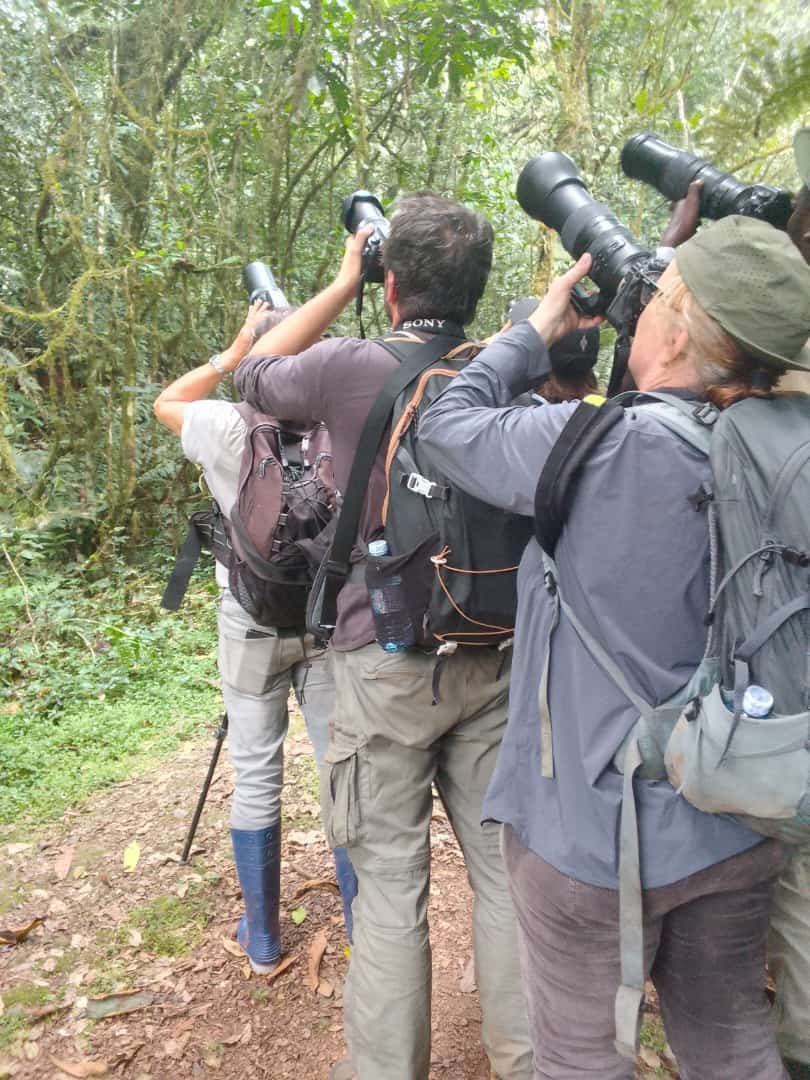
What should you pack for gorilla trekking?
Gorilla trekking varies considerably in difficulty. Some treks are relatively short. Others involve several hours of walking through steep, muddy forest, and the distance depends on where the gorillas are on the day.
The rangers endeavour to allocate the easier gorilla families to guests who are less fit, and to those who specifically ask for an easier group. If you have any mobility concerns, tell us before you travel and mention it again on the day, so we can pass that to the UWA rangers while they are allocating groups.
Good footwear, a walking stick and the help of a porter all make the day more comfortable. The gear below covers what the terrain asks for.
- Gaiters protect ankles from mud, insects and thorny plants. If you do not have your own, they can be hired at the briefing point at Nkuringo. Tucking your trousers into your socks also works.
- Gardening gloves are optional, inexpensive and genuinely useful on steep, wet forest sections where you will want to hold onto vegetation.
- A walking stick is available at the briefing point at Nkuringo, laid out for guests to choose from before the trek. There is no charge. Bring collapsible trekking poles only if you prefer your own.
At the briefing point at Nkuringo, porters are available on the morning of the trek if you want one. They carry your day pack and the income stays in the Nkuringo area.
What Is Provided, and What You Can Hire at Nkuringo
You do not need to buy everything on this list. Knowing what is already covered saves weight and expense, and part of the answer depends on where you are staying.
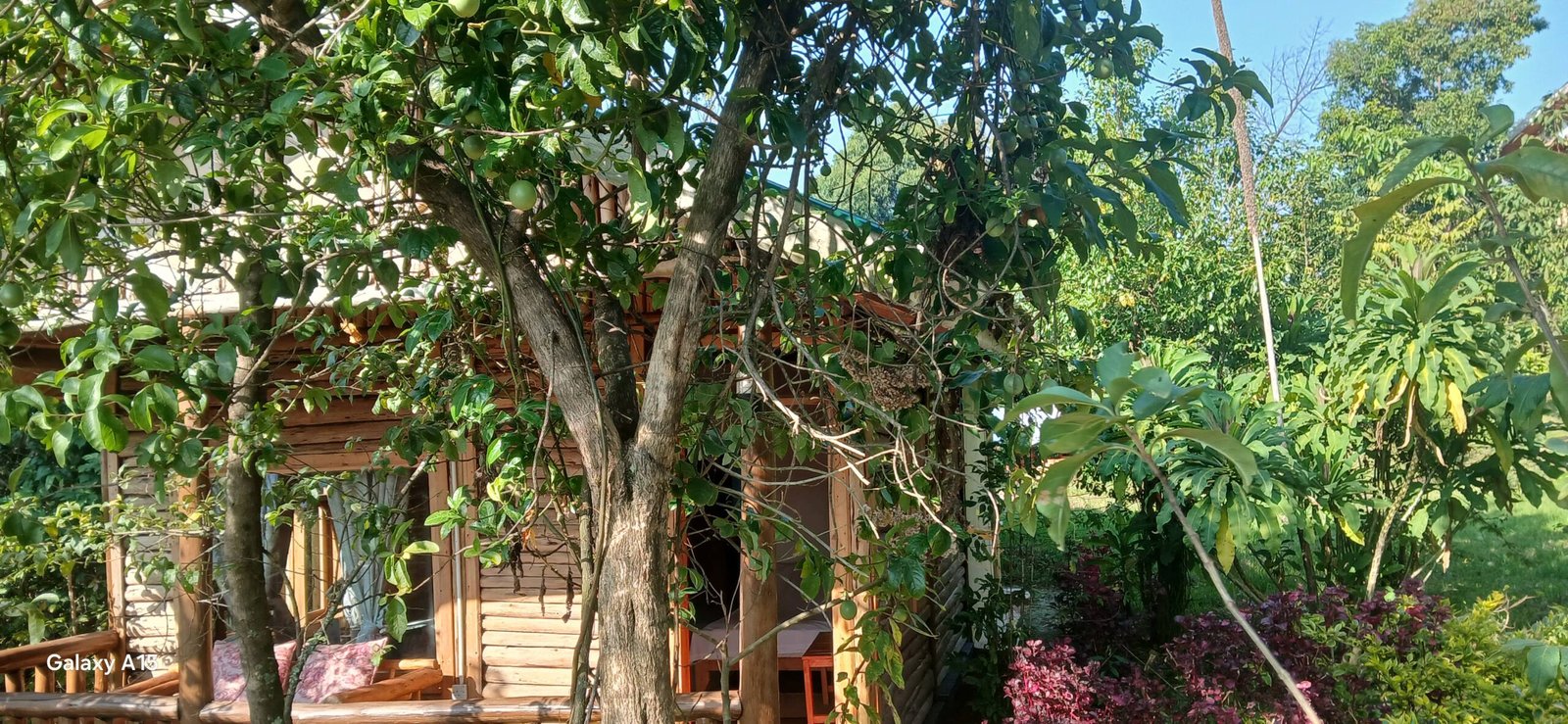
Provided to guests staying at Orugano Bwindi Lodge:
- Medical masks for primate treks.
- Boot cleaning after your trek, so mud-caked boots do not travel on with you.
If you are staying at another property, these are not provided by us. Ask your lodge what they offer, or tell us in advance and we will confirm before you travel.
Provided to all Orugano Safaris guests:
- Filtered drinking water in the vehicle. Bring a refillable bottle rather than buying plastic.
- Ponchos for game drives.
Available at the briefing point at Nkuringo:
- Walking sticks, laid out for guests to choose from before the trek. There is no charge for using one.
- Porters, available on the morning of the trek if you want one. A porter carries your day pack, which leaves you free to move at your own pace.
- Gaiters, and boots if your own footwear is uncomfortable, available to hire at US$5. The fee covers the use of the item for the duration of your trek.
On porter payment: Porters are paid separately from your gorilla trekking permit. We explain the current porter charge and the customary tipping arrangements before your trek, so you know what to expect on the day. Porter work is a direct source of income for households around Nkuringo.
Walking sticks, porters and hire gear are all arranged on the morning of the trek at the briefing point at Nkuringo, so there is nothing to reserve in advance. We confirm the current hire charge and how it is paid when we plan your trip. If you are trekking from a sector other than Nkuringo, tell us in advance and we will confirm what is available at that trailhead.
How do you stay healthy and safe?
A few basics cover most of what can go wrong.
- Prescription medications (let us know if you need fridge space—we’re happy to help)
- Antimalarials, arranged with your travel-health professional
- We recommend consulting a travel-health professional before you travel about malaria prevention and any vaccinations recommended for your route. Requirements for Uganda, Rwanda, Kenya and Tanzania are set by each government and can change, so check the current position for each country you are entering.
- Sunscreen, sun hat/cap, and sunglasses
The sun is stronger here than most visitors expect, even under cloud and at altitude.
What electronics and safari gear do you actually need?
Uganda uses Type G sockets, approximately 240V. Rwanda uses Type C and Type J sockets, approximately 230V. International visitors should carry a universal travel adapter.
Guests staying at Orugano Bwindi Lodge can request socket converters from the lodge.
Most modern phone, camera and laptop chargers work on both countries' power supplies, but check the voltage rating printed on your own charger before you travel.
Worth packing:
- Binoculars, which you will use more than you expect
- Camera, spare batteries, and extra memory cards
- Charging cables and a power bank
- Waterproof stuff sacks or dry bags for rainforest treks
You can charge at the lodges. Long driving days are the gap, which is where a power bank earns its place.
Which travel documents should you keep handy?
Keep documents in your hand luggage, with digital copies stored separately.
- Passport (valid 6+ months after travel)
- Any vaccination documents required for the countries you are entering. As of October 2026, Uganda no longer requires travellers to present a yellow fever vaccination certificate for entry. Vaccination may still be recommended for your own health protection, and other countries on your itinerary may have different requirements.
- East Africa Tourist Visa: covers Uganda, Kenya and Rwanda. Note that it does not cover Tanzania.
- Visa rules are set by governments and change from time to time. We do not provide immigration advice. Confirm current requirements with the relevant embassy or immigration authority, and remember that the issuing country must be your first point of entry.
- Travel insurance documents
- Flight confirmations + full safari itinerary
- Emergency contacts, including the Orugano Safaris 24-hour emergency contact number for while you are travelling
- Printed and digital copies of essentials stored separately
For official travel updates and tourism resources, visit the Uganda Tourism Board.
Baggage Limits for Domestic Flights in Uganda
If any part of your safari includes a light aircraft flight, your luggage is limited, and this is the most common packing mistake we see.
- The published allowance on Aerolink Uganda flights is 15kg per person, including hand luggage, packed in a soft-sided bag. Soft bags are required because hard cases do not fit the baggage compartments.
- Other airlines and charter arrangements may have different conditions. We confirm the applicable allowance for your specific flights when we arrange them.
- If your itinerary includes both Uganda and Rwanda, the restrictions can differ between flights. We advise you on the baggage conditions for each flight before departure.
- Where a flight comes before or after a trek, plan your bag around the flight limit from the start rather than repacking at the airfield.
If you are travelling entirely by road, no light-aircraft limit applies. A soft bag is still the better choice because it packs more easily into a safari vehicle.
What to Leave Behind
These add weight and rarely get used.
- Heavy denim and bulky cotton, which are slow to dry and take up space
- Expensive jewellery and valuables you would worry about
- Military-style camouflage clothing, which is restricted in several countries in the region
- A second pair of heavy boots you will not wear
Packing light makes the travel days easier.
Planning Your Uganda or Rwanda Safari?
What you pack depends on where you are going, when you travel and what you have booked. A gorilla trek in Bwindi asks for different preparation from a game drive in Queen Elizabeth National Park or a boat safari on the Nile.
At Orugano Safaris, we help guests prepare for their trip before departure, including advice on trekking equipment, baggage allowances for domestic flights and what is available locally.
If your safari includes a stay at Orugano Bwindi Lodge, we can also advise on the facilities and assistance available before and after your gorilla trek.
Plan Your Safari and tell us where you would like to travel. We will help you prepare for the journey as well as plan the itinerary.
Related Reading and Safari Planning
- Safari Insights
- Gorilla Trekking Packing List
- Bwindi Impenetrable National Park
- book your safari with our team
- The Ultimate Guide to Gorilla Trekking in Uganda (2026)
- Gorilla Trekking Permits 2026: 7 Booking Mistakes
- Travel from USA to Uganda: 12 Essential Tips
- 5-Day Golden Monkey & Gorilla Safari
- 4-Day Bwindi Gorilla & Batwa Safari from Kigali
- 3-Day Entebbe to Bwindi Gorilla Safari
- 6-Day Uganda Gorilla Habituation Safari
- January 3, 2026 / 10:34 pm
- January 7, 2026 / 1:45 pm
- January 7, 2026 / 8:13 pm
- January 8, 2026 / 10:56 pm
- January 8, 2026 / 11:02 pm
5 Comments
[…] suitable for forest trekking. Waterproof gear is essential regardless of season. Our detailed packing guide covers everything you'll […]
[…] hiking boots, long pants, long-sleeved shirt, rain jacket, and gloves for vegetation handling. The Ultimate Uganda Rwanda Safari Packing List covers everything in […]
[…] out our comprehensive Ultimate Uganda Rwanda Safari Packing List for detailed […]
[…] more detailed packing guidance, check our comprehensive Uganda Rwanda safari packing list that covers everything from clothing choices to photography […]
[…] Packing essentials: Sturdy hiking boots, long pants, long-sleeved shirt, rain jacket, gardening-style gloves, gaiters (optional), 2L water, and snacks. We recommend our full checklist: Ultimate Uganda Rwanda Safari Packing List. […]
Comments are closed.