- +256 701 230309
- info@oruganosafaris.com
- Nkuringo Sector, Kisoro, Uganda
- +256 701 230309
- info@oruganosafaris.com
- Nkuringo Sector, Kisoro, Uganda
Lake Mburo National Park: Uganda's Walking Safari Capital
If you are planning a trip to Lake Mburo National Park Uganda, you are about to discover why the Lake Mburo National Park Uganda destination is far more than just “Uganda’s smallest savannah park.” It isn’t a miniature version of Murchison Falls or Queen Elizabeth; it is a different beast entirely. While other parks are built around the window of a Land Cruiser, Lake Mburo is built around your boots, a horse’s saddle, or the saddle of a mountain bike.
It is Uganda’s only national park where you can leave the vehicle behind and walk among zebras, giraffes, and antelope under the guidance of an armed ranger. At Orugano Safaris, we position Lake Mburo as the “Walking Safari Capital.” If you want to feel the crunch of dry grass underfoot and hear the literal heartbeat of the savannah without the hum of an engine, this is where you go.
Quick Facts for Your Safari Planner
Before diving into the logistics, here is the baseline data for Lake Mburo National Park Uganda.
Feature | Details |
Location | Kiruhura District, Western Uganda (3.5 – 4 hours from Kampala) |
Size | 370 square kilometres |
Established | 1933 (Game Reserve), 1982 (National Park) |
Mammal Species | 68 species (including the only wild Impala population in Uganda) |
Bird Species | 350+ species (including the African Finfoot) |
Key Differentiator | No elephants or resident lions; safe for walking and cycling |
Entry Fee (2026) | $40 for Foreign Non-Residents / $30 for Foreign Residents |
Lake Mburo at a Glance
Feature | Lake Mburo |
Best For | Walking safaris |
Time Needed | 2–3 days |
Signature Wildlife | Zebra, impala, giraffe |
Unique Activity | Horseback safari |
Family Friendly | Yes |
Big Five? | No |
Why Visit Lake Mburo National Park?
We tell our guests that Lake Mburo isn’t just a “stopover” on the way to Bwindi. It is a destination that rewards the active traveller. Here are the six pillars of the Mburo experience.
1. Walking Safaris
This is the signature experience. Because the park lacks permanent large predators like lions (which are only transitory) and elephants, the safety profile allows for extensive foot exploration. You aren’t just walking to a viewpoint; you are tracking zebra and eland on their level.
2. Horseback Safaris
Operated primarily out of Mihingo Lodge, this is a rarity in East Africa. Riding through the grassy valleys of the park allows you to get closer to the wildlife than a vehicle ever could. Zebras and giraffes view the horse as a fellow herbivore, not a threat, allowing for intimate photography opportunities.
3. Boat Cruises on Lake Mburo
The park is named after the lake, and the boat cruise is the best way to see the “resident” heavyweights in Lake Mburo National Park Uganda. Expect high densities of hippos and crocodiles. For birders, this is the most reliable spot in Uganda to find the elusive African Finfoot. The papyrus edges are where the serious scanning happens. This is where guides start working for species like Papyrus Gonolek, herons tucked into the reeds, kingfishers on low perches, and any movement under overhanging lakeside branches that could produce an African Finfoot. In Lake Mburo National Park, the boat is not just a break from driving. It is one of the most efficient birding platforms in the whole park.
4. Mountain Biking
For those who find game drives too sedentary, Lake Mburo offers guided mountain biking safaris. Most trails follow the flatter valley floors, though some “bumpy” sections through the acacia scrub will test your gear shifting. In Lake Mburo National Park, cycling works because the park roads are compact, the distances between activity zones are manageable, and you spend less time queueing behind other vehicles than you would in busier savannah parks.
5. Cultural Heritage: The Ankole Longhorn Experience
Lake Mburo National Park sits inside Ankole country, and that matters. If you only treat Lake Mburo National Park as a wildlife stop, you miss one of the main reasons the landscape looks the way it does. The rolling grassland outside the park has been shaped for generations by Bahima pastoralists whose identity is tied closely to cattle keeping.
The Bahima are known for their long relationship with Ankole longhorn cattle, a breed recognised by its large, outward-sweeping horns and strong place in local status, marriage customs, milk production, and household wealth. Around Lake Mburo National Park, cattle are not just livestock. They are a visible part of family identity, social standing, and land use. When you drive the Sanga side of Lake Mburo National Park in the early morning, it is common to see herds moving out with herders before the day gets hot.
The long horns are practical and symbolic at the same time. They help with heat regulation, but they also carry prestige. A good herd signals discipline, continuity, and success. That is why many travellers say the cattle scenery around Lake Mburo National Park stays with them almost as much as the zebras do. It gives the destination an identity that feels different from parks where the boundary between wildlife land and community land is less visible.
Milk traditions are the most useful place to start if you want to understand this culture properly. In many Bahima households, milk is more than breakfast. It is part of daily routine, hospitality, and cattle care. Calves are managed carefully during milking, gourds are traditionally used for milk storage and fermentation, and smoking the gourds with specific herbs or wood is part of preparing them. Guests visiting a local farm near Lake Mburo National Park can often see how the herd is brought in, how calves are positioned to stimulate let-down, and how the milking is done by hand with quick, controlled technique.
This works well as an add-on for travellers who want more than a game drive in Lake Mburo National Park Uganda. A farm visit near Lake Mburo National Park is not a staged museum piece when arranged properly. You are usually seeing a working household routine: cattle kraals, milk handling, herd management, and direct conversation about why the breed still matters in modern Ankole. If you are combining Lake Mburo National Park with Kibale National Park or Gorilla Trekking, this cultural stop helps break the journey with something practical and local rather than another long drive day.
6. Night Game Drives
While most parks shut their gates at 7:00 PM, Lake Mburo excels after dark. This is your best chance in Uganda to spot a leopard. The lack of heavy forest cover makes spotting their eyes in the spotlight much easier than in the thickets of Queen Elizabeth.
6. Specialised Birding
With 350 species packed into a relatively small area, the “species-per-kilometre” ratio is high. The transition from lake shore to papyrus swamp to acacia woodland means you can tick off the Papyrus Gonolek and the African Fish Eagle in the same morning.
Why We Recommend Lake Mburo Before Gorilla Trekking
At Orugano Safaris, Lake Mburo National Park is rarely a standalone destination. Instead, it serves as the ideal transition between Entebbe and Bwindi Impenetrable National Park. Rather than spending 9–10 hours in a vehicle in a single day, we divide the journey into two rewarding travel days. Guests enjoy an afternoon game drive or boat cruise on arrival, overnight in or near the park, and begin the following morning with a walking safari before continuing to Nkuringo. You arrive at Orugano Bwindi Lodge refreshed rather than exhausted and ready for your gorilla trek the following day.
The Ideal Gorilla Trekking Journey from Entebbe
Day 1
- Depart Entebbe
- Equator stop
- Arrive Lake Mburo
- Evening game drive or boat cruise
Day 2
- Morning walking safari
- Drive through Mbarara
- Scenic Kigezi Highlands
- Arrive Orugano Bwindi Lodge
Day 3
- Gorilla trekking
Why We Prefer Lake Mburo Over an Overnight in Mbarara
Overnight in Mbarara | Overnight in Lake Mburo |
Hotel stop | Safari experience |
No wildlife | Game drive & walking safari |
Breaks the journey | Adds another national park |
Transit town | Wildlife destination |
What Makes Lake Mburo Different?
To understand where Lake Mburo fits into your Uganda Safari, you need to compare it to the heavy hitters. We don’t recommend Mburo if your only goal is the Big Five; we recommend it when you want to do something rather than just see something.
Park | Signature Experience | Atmosphere | Best For |
Bwindi | Dense, humid rainforest | Primate lovers | |
Kibale | Chimpanzee Tracking | Tropical forest & craters | Primate lovers |
Murchison Falls | The Nile & Big Game | Classic vast savannah | Traditional safaris |
Queen Elizabeth | Diversity & Scenery | Varied (Savannah/Forest) | All-rounders |
Lake Mburo | Walking & Horseback | Intimate acacia woodland | Active & families |
The Wildlife Guide: What You Will (and Won't) See
We believe in managing expectations. Lake Mburo is unique because of its specific species mix, but it is also defined by what is missing.
The Mammals
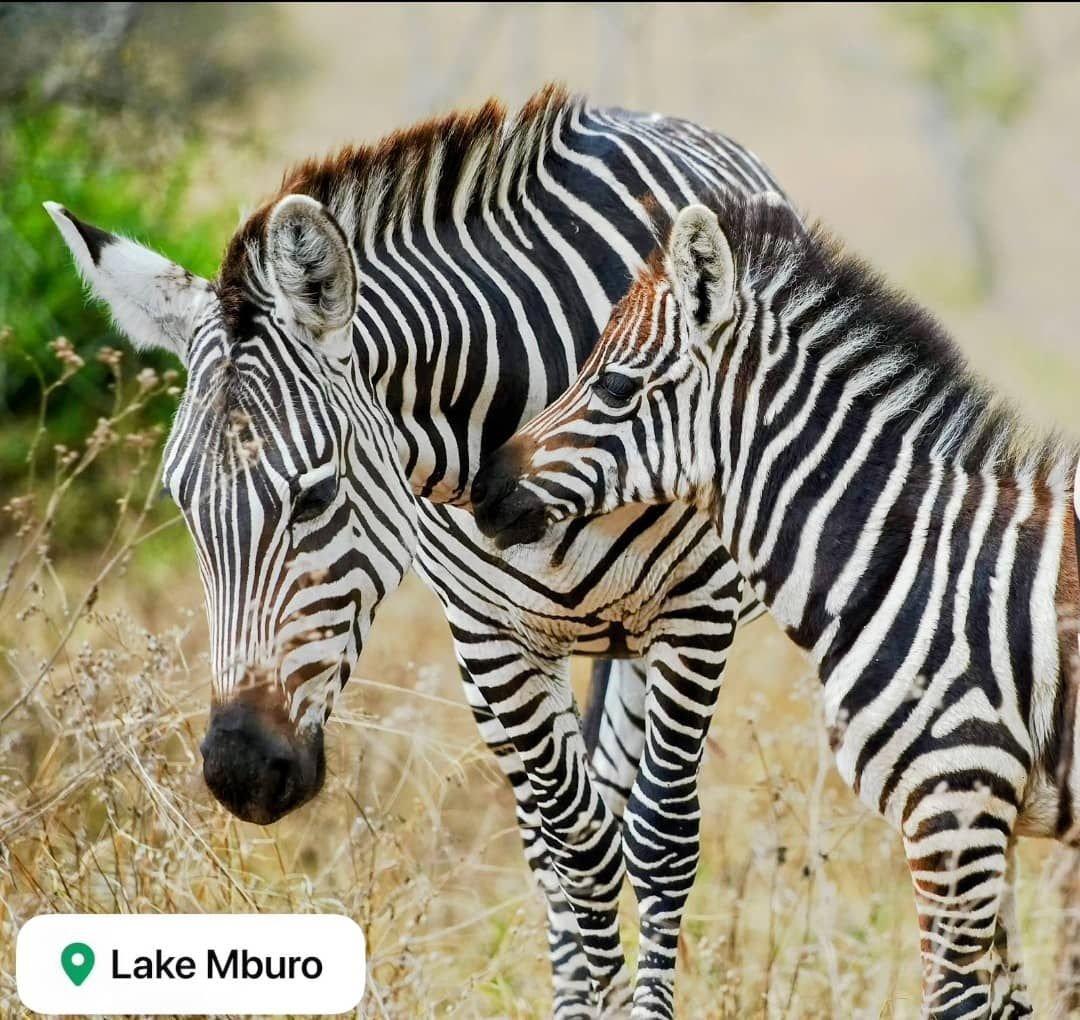
- Burchell’s Zebra: Lake Mburo National Park Uganda has the highest population of zebra in the country. You will see them the moment you pass the Nshara or Sanga gates. In Lake Mburo National Park, zebra are often your first wildlife sighting and your most reliable subject for photography during the first and last hour of light.
- Rothschild’s Giraffe: In 2015, Uganda Wildlife Authority moved Rothschild’s giraffes from Murchison Falls to Lake Mburo National Park to diversify the park’s species mix and use the acacia habitat properly. The translocation worked. The population has grown steadily, and giraffes are now one of the defining sights on the park’s open valley floors. For many travellers, this is the species that changes their view of Lake Mburo National Park from a “small stop” to a complete safari destination.
- Impala: Lake Mburo National Park Uganda is the only park in the country where you can find these elegant antelope. If you see an “impala” in Murchison, it’s actually a Kob. In Lake Mburo National Park, impala are part of the identity of the place in the same way that kob define other Ugandan savannah systems.
- Eland: The world’s largest antelope is resident in Lake Mburo National Park Uganda, though they remain shy and often require a bit of tracking. Walking in Lake Mburo National Park gives you a better chance of noticing tracks, dung, and movement patterns even when the animals themselves stay distant.
- Leopard: High density, but elusive. The night drive is your best bet. Guides often talk about the “leopard rocks” in the eastern sector of Lake Mburo National Park, where rocky cover, nearby prey routes, and broken acacia shade create good resting and ambush country. You should not expect a guaranteed sighting, but this part of Lake Mburo National Park gives your guide a logical place to work after dark rather than just driving at random.
- Buffalo & Hippo: Present in large numbers in Lake Mburo National Park Uganda, particularly near the lake and watering holes. In Lake Mburo National Park, buffalo are the reason the ranger on a walking safari matters even though the park is lighter on dangerous game than most others.
The Reality Check: There are no elephants in Lake Mburo. While lions occasionally wander in from Tanzania or surrounding areas, there is no resident pride. This lack of “traditional” danger is exactly why the walking safaris are so successful in Lake Mburo National Park Uganda. It is also why families, older travellers, and first-time safari guests often find Lake Mburo National Park less intimidating than Queen Elizabeth or Murchison.
Birds and Reptiles
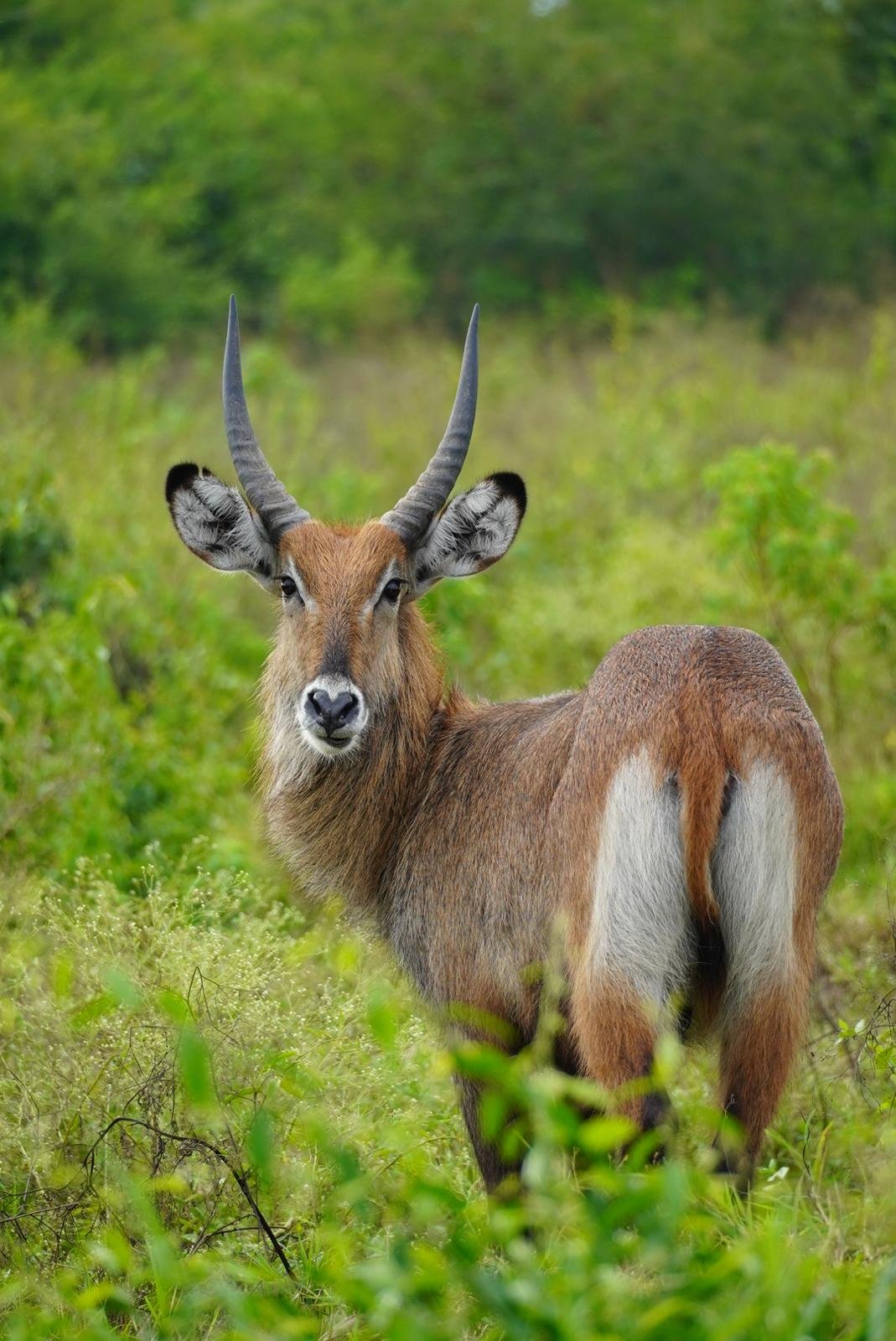
The African Finfoot is the holy grail here. You’ll find them skulking under the overhanging branches of the lake shore. You should also look for the Papyrus Gonolek in the wetlands. Regarding reptiles, the Nile Crocodile is the dominant force on the lake, often seen sunning on the banks near the hippo pods in Lake Mburo National Park Uganda.
For birders, Lake Mburo National Park rewards people who pay attention to habitat edges rather than just chasing a single rare tick. On the papyrus margins, you are scanning for movement low and tight to cover, but in the acacia zone you need to work more by sound and patient stops. Lake Mburo National Park is particularly good for what many guides call the acacia dwellers: species that make a living in thorn country and open woodland rather than the lake itself.
That is where targets like the Red-faced Barbet and Tabora Cisticola come in. The Red-faced Barbet is one of the park’s most wanted dry-country birds and often takes time to pin down because you hear it before you place it. The Tabora Cisticola is less flashy but important for serious birders trying to separate similar cisticolas in open grass and scrub. If you build enough time into your Lake Mburo National Park game drives and walks, these are the species that turn a general safari into a proper birding day.
Experience Portfolio: A Deep Dive
The Walking Safari in Lake Mburo National Park Uganda (Practical Realities)
Walking safaris in Lake Mburo National Park usually start at 7:00 AM to beat the heat. You will be accompanied by a UWA (Uganda Wildlife Authority) ranger armed with a bolt-action rifle. This isn’t because you are in constant danger, but for peace of mind and the rare chance of a buffalo encounter. The main value of walking in Lake Mburo National Park is not distance covered. It is perspective. You notice hoof prints, grazing pressure, dung freshness, alarm calls, and wind direction in a way you simply do not from a vehicle seat.
- Terrain: Mostly flat, but the “bumpy” acacia scrub means you need sturdy shoes. Thorns are a reality; don’t wear thin leggings.
- Distance: Usually 5–8 kilometres depending on your fitness.
- Cost: Currently $30 for the permit (plus park entry).
What to Pack for a Walking Safari in Lake Mburo National Park Uganda
For a walking safari in Lake Mburo National Park, pack long trousers, neutral colours, a hat, and proper closed shoes with grip. Avoid bright white clothing and avoid shorts unless you enjoy thorn scratches. In the dry months, dust sits on everything. In the wet months, the grass can be damp enough at ankle level to soak you before 8:00 AM.
A small daypack works better than carrying loose items in your hands. Bring water, sunscreen, sunglasses, and a light fleece for the early start. If you want photos of Lake Mburo National Park Uganda, a lighter zoom lens is easier to manage on foot than a heavy long lens. In Lake Mburo National Park, comfort and mobility matter more than carrying your full camera cupboard.
Horseback Safari (The Mihingo Experience)
This is arguably the most peaceful way to see the park. The horses are well-trained and accustomed to the wildlife, and it is one of the clearest reasons many active travellers add Lake Mburo to wider Uganda Safaris.
- Beginners: Short 1–2 hour rides follow the easy tracks near the lodge.
- Advanced: Half-day or full-day rides can take you deep into the park’s interior.
- Weight Limit: Usually capped at 95kg for the welfare of the horses.
If your broader route includes Gorilla Trekking, this is also a smart contrast activity. You go from steep forest trekking to a quiet saddle-based safari without adding another punishing transfer day.
Night Game Drives in Lake Mburo National Park Uganda
While most safaris end at sunset, the night drive in Lake Mburo National Park Uganda begins around 6:30 PM. We use powerful spotlights to catch the eye-shine of nocturnal species. In practice, the guide drives slowly while the ranger or tracker sweeps a handheld beam across the verge, termite mounds, rock edges, and the lower branches of acacia. This spotlighting technique works because many nocturnal animals give away their position with reflected eye-shine before you can see body shape.
- What to look for: Spotted hyena, white-tailed mongoose, bush babies, porcupine, and the holy grail, the leopard.
- Pro Tip: It gets surprisingly cold in an open-top vehicle at night. Bring a fleece.
Lake Mburo National Park Uganda is better for this than many other Ugandan parks because the grass is generally shorter and the woodland more open. In thicker systems, animals hear you and vanish before you ever get a clean angle. In Lake Mburo National Park, guides can work the tracks, rock edges, and feeding zones more efficiently, which is why the park has a stronger reputation for leopard and smaller nocturnal mammals than its size would suggest.
Comparative Analysis: Which Park Wins?
Lake Mburo vs Queen Elizabeth
Families often ask us this because both parks can fit into the same western Uganda circuit. The short answer is that Lake Mburo National Park works better when you want less time trapped in the vehicle and more time doing things. If your children, parents, or mixed-age group are likely to lose patience on long game drives, Lake Mburo National Park gives you walking, cycling, short transfers, and easier logistics.
Queen Elizabeth gives you broader species variety and stronger classic game-viewing, but it also demands more road time between sectors and more hours in the vehicle to pull the trip together. Lake Mburo National Park is easier for a one- or two-night stay, especially if you are coming from Kampala or connecting onward to Bwindi. That is why many travellers choose Lake Mburo National Park as the more practical family park even when Queen Elizabeth looks “bigger” on paper.
Feature | Lake Mburo | Queen Elizabeth |
Drive from Kampala | 4 Hours | 7-8 Hours |
Big Game | Zebra, Giraffe, Impala | Elephant, Lion, Hippo |
Vibe | Quiet, intimate | Busy, iconic |
Key Activity | Walking/Cycling | Boat cruise/Game drive |
Lake Mburo vs Murchison Falls
This comparison depends on what you want your safari to feel like. Murchison is the big northern classic: long horizons, the Nile, heavier wildlife biomass, and more “headline” game. Lake Mburo National Park is the opposite in scale but not in value. It is the park for people who want active time, close-range encounters, and less dead time between activities.
If you only have a short trip in Uganda, Lake Mburo National Park can deliver a lot without forcing a domestic flight or a punishing drive schedule. It also pairs neatly with Uganda Safaris that continue toward the southwest. Many travellers who combine Lake Mburo National Park with Kibale National Park or Bwindi find the pacing more sensible than trying to force Murchison into an already tight programme.
Feature | Lake Mburo | Murchison Falls |
Landscape | Acacia woodland/Small lakes | Rolling savannah/The Nile |
Elephants | None | Massive herds |
Accessibility | Very easy (paved most of the way) | Long drive or flight |
Best For | Active exploration | Classic Big Safari |
Is Lake Mburo National Park Worth Visiting?
We get this question often. Our honest assessment:
Yes, visit Lake Mburo if:
- You are a photographer who wants close-up shots without 20 other vehicles in the frame.
- You are travelling with children who will get bored sitting in a car for 6 hours.
- You are on your way to Bwindi Impenetrable Forest and want to break up the 9-hour drive from Entebbe.
- You want a “gentle” introduction to the African bush.
Skip Lake Mburo if:
- You have only 3 days in Uganda and your life’s dream is to see a lion kill an elephant.
- You hate walking or physical activity.
Who Should Visit?
- First-timers: It’s a low-stress environment to learn how to spot wildlife.
- Photographers: The golden hour light over the acacia valleys is spectacular.
- Birders: The lake and swamp species are high-value targets.
- Transit Travellers: It is the perfect “Buffer Zone” between the chaos of Kampala and the intensity of gorilla trekking.
Suggested Itineraries
These sample routes work well if you are comparing short Uganda Safaris and want to understand where Lake Mburo fits best in the wider circuit.
2-Day “Active Lake Mburo National Park Uganda” Break
- Day 1: Drive from Kampala, afternoon boat cruise, night game drive in Lake Mburo National Park Uganda.
- Day 2: Morning walking safari, return to Kampala.
3-Day “Lake Mburo National Park Uganda Saddle & Cycle” Safari
- Day 1: Arrival and sunset horseback ride.
- Day 2: Morning mountain biking, afternoon game drive.
- Day 3: Morning walking safari and departure.
This short format is especially useful before or after Gorilla Trekking if you want a softer wildlife stop with more time out of the vehicle.
The Western Circuit (10-12 Days)
Lake Mburo -> Queen Elizabeth National Park -> Bwindi -> Murchison Falls National Park Uganda.
Photography Guide for Lake Mburo National Park
Unlike the vast plains of the Serengeti, Lake Mburo National Park Uganda is “tight.” Distances feel shorter, animals often sit closer to the road, and acacia branches can clutter a frame fast if you are not patient.
- Golden Hour: The mist in the valleys at sunrise provides incredible depth for wide-angle shots.
- The Road: The main track through the park is well-maintained but dusty. Protect your gear.
- Reflections: On the boat safari, look for the “mirror” effect on the lake’s surface, especially for shots of Fish Eagles.
Lens Choice for Walking vs Vehicle Safaris
For vehicle game drives in Lake Mburo National Park, a mid-to-long zoom is usually the best all-round choice. Something in the 70–200mm or 100–400mm range gives you enough flexibility for giraffes on the plain, zebra crossing the track, and tighter bird shots when the vehicle can stop cleanly. The advantage in Lake Mburo National Park is that subjects are often not as far away as they are in broader plains systems.
For walking safaris, go lighter. A heavy lens becomes dead weight after the first kilometre and slows you down when the ranger wants to keep moving. A lighter zoom or even a versatile short telephoto is often the better call. On foot in Lake Mburo National Park, you are photographing context as much as portrait detail: boots in the grass, ranger lead position, zebra at medium range, acacia lines, and the open shape of the valleys. That is why many photographers carry one body and one lighter lens for walks, then switch back to longer glass for vehicle sessions.
Best Time to Visit
- Dry Seasons (June–August & December–February): Best for walking and game viewing. Animals congregate around the lake as the smaller watering holes dry up.
- Wet Seasons (March–May & September–November): The park is lush and green. This is the best time for birding and “clean” photography, though the tracks can get slippery.
Where to Stay: Lodging Options
Luxury: Mihingo Lodge
Mihingo is the best-known high-end lodge around Lake Mburo National Park, and for good reason. It sits on a rocky outcrop with long views over the park’s valleys, and it is the operational base for the horseback safaris that make Lake Mburo National Park different from most other Ugandan parks. If horseback riding is high on your list, this is the most convenient place to stay because you are close to the stables and do not waste time on transfers before an early ride.
The rooms are spaced well for privacy, and one of the details people remember is the use of rock bathrooms built into the natural granite setting. It feels practical rather than flashy. The pool is also useful after a dusty afternoon in Lake Mburo National Park, especially in the hotter months when game drives and walks leave you properly baked by midday.
Mihingo suits couples, photographers, and travellers who want a polished lodge experience without losing the sense of place. It is not the cheapest option around Lake Mburo National Park, but if your priority is horseback access, a strong guiding setup, and a lodge with views that actually justify the room rate, it earns its place.
Luxury: Kigambira Safari Lodge
Kigambira Safari Lodge gives you a more contemporary luxury option in the Lake Mburo National Park area. Its lakeside setting changes the feel of the stay slightly compared with the hilltop lodges, and that matters if you want water views and easier access to boat-focused activities.
The design leans modern and eco-conscious, but the main advantage is practical: you can build a quieter itinerary around the lake without feeling cut off from the rest of Lake Mburo National Park. For travellers who prefer comfortable rooms, good dining, and less emphasis on ruggedness, Kigambira is a solid fit.
It works especially well for couples and for guests who want a softer landing before or after a longer road circuit through western Uganda. If you are linking Lake Mburo National Park with Gorilla Trekking, this level of comfort can be useful as a pacing break. You can learn more about Uganda’s wildlife conservation efforts via the African Wildlife Foundation.
Mid-Range: Rwakobo Rock
Rwakobo Rock sits just outside Nshara Gate, which makes it one of the easiest and most sensible bases for travellers who want quick access in and out of Lake Mburo National Park. The cottages are built around granite boulders and local materials, and the layout gives the place a relaxed, low-impact feel rather than a fenced-off resort atmosphere.
Its eco philosophy is part of the appeal. Rwakobo has long positioned itself as a lodge that works with the environment rather than against it, and you feel that in the simple design choices, open spaces, and the way wildlife still moves through the broader area. The sunset views from the bar are one of its strongest selling points. After an afternoon in Lake Mburo National Park, that elevated drink stop often becomes the part of the day guests talk about first.
This is one of the best-value lodges in the Lake Mburo National Park orbit because it balances comfort, character, and location without pushing fully into luxury pricing. It works for couples, small groups, and self-drive travellers who want something more atmospheric than a standard motel stop.
Mid-Range: Mantana Tented Camp
Mantana gives you the classic under-canvas safari style inside the Lake Mburo National Park experience. If you like the idea of hearing the bush at night but still want a proper bed, en-suite setup, and structured lodge service, this is the one to look at.
The appeal is less about dramatic architecture and more about safari mood done properly. Tented accommodation in Lake Mburo National Park makes sense because the park’s scale feels intimate. You are not trying to recreate a giant luxury camp system. You are using a comfortable base that keeps you close to the main wildlife zone.
Mantana suits travellers who want a traditional safari rhythm: early coffee, game activity, lunch break, then back out again. It is a good middle ground for people who find top-end lodge prices too steep but still want a proper hosted stay rather than the bare basics.
Luxury/Cultural Hybrid Outside the Park: Emburara Farm Lodge
Emburara Farm Lodge sits outside Lake Mburo National Park, closer to Mbarara, but it deserves mention because it gives you something different: a high-end stay with a strong Ankole cattle and farm identity. If you want to combine game activities in Lake Mburo National Park with a more developed cultural and pastoral experience, this is one of the smartest add-ons.
The property is more spacious and polished than a simple stopover lodge, and its farm setting makes it particularly relevant for travellers interested in the Ankole longhorn story. You can pair time in Lake Mburo National Park with direct exposure to the ranching culture of the region instead of trying to squeeze all cultural context into a short roadside stop.
This option works well for honeymooners, families wanting comfort, and travellers arriving late from Entebbe who do not want to push all the way into the park on the same day. It is also useful if your broader Uganda Safaris plan includes Mbarara as a staging point.
Budget-Friendly with Views: Eagle’s Nest
Eagle’s Nest is one of the practical budget choices near Lake Mburo National Park Uganda if your main goal is location, views, and lower cost rather than polished lodge luxury. It gives you an elevated position and broad outlooks that punch above the room rate.
The setup is simple, but that is exactly why some travellers like it. You spend your money on park activities in Lake Mburo National Park rather than on frills you barely use. If you are on a self-drive trip, a backpacker-style circuit, or a tighter family budget, Eagle’s Nest can keep the trip realistic without dropping you too far from the action.
It is best for travellers who understand the trade-off clearly: fewer bells and whistles, but strong value and a memorable setting. For one-night stays around Lake Mburo National Park, that can be a very sensible call.
Budget: Rwonyo Rest Camp
Rwonyo Rest Camp is the no-nonsense inside-the-park option run by UWA. These are basic bandas and campsites, and they suit travellers who care more about being in Lake Mburo National Park itself than about lodge styling.
The advantage is straightforward: early starts are easy, costs stay low, and you are right in the activity zone. For birders, self-drive travellers, and anyone doing a stripped-back itinerary through Lake Mburo National Park, that matters more than luxury furnishings.
If you are comfortable with simple facilities, Rwonyo can be the most efficient base in the park. It is not where you go for a honeymoon, but it is where you go if you want practical access and budget control.
The Logistical Masterclass
Which Gate Should You Use for Lake Mburo National Park Uganda?
The two gates most travellers deal with are Nshara Gate and Sanga Gate, and the right choice depends mostly on where you are sleeping and what activity you are doing first. If you are staying at Rwakobo Rock or approaching from the Mbarara side on the main road line, Nshara Gate is often the most straightforward entry. It gives quick access for travellers who want a clean in-and-out movement without extra looping.
Sanga Gate makes more sense for some of the lodges and ranch-side experiences positioned toward the Sanga sector and for travellers interested in the cultural landscape around Lake Mburo National Park as much as the wildlife core. If your itinerary includes a community or cattle-farm visit, the Sanga side can feel more connected to that broader Ankole setting.
In practice, we match the gate to your lodge and first activity. For Mihingo-related riding logistics, one access route may save time over the other depending on your movement plan that day. For inside-park stays and straightforward game-drive arrivals, Nshara is often the easier default. This is one of those small details that can save you unnecessary backtracking in Lake Mburo National Park.
Driving from Entebbe vs. Bwindi
From Entebbe or Kampala to Lake Mburo National Park, expect roughly 3.5 to 4.5 hours in normal conditions. The main line is the Masaka–Mbarara highway, which is the key paved artery for this part of Uganda. It is far easier than the long southwestern mountain roads, but it still needs respect. Kampala exit traffic can waste serious time, and roadworks or slow trucks near trading centres can stretch the day.
From Bwindi to Lake Mburo National Park, drive time depends heavily on which sector of Bwindi you are leaving. From the nearer southern side, you may do it in about 5 to 6 hours with a steady start. From sectors with slower mountain access, it can take longer. The main issue is not just distance but road character: winding hill roads first, then easier tarmac once you rejoin the bigger highway line toward Mbarara.
This matters when you are building a circuit. Lake Mburo National Park works well either as your first park after Entebbe or as a decompression stop after gorilla trekking. If you tell us your arrival airport, first overnight stop, and whether you are connecting from Gorilla Trekking, we can advise on the cleaner route.
FAQ: Clearing Up the Logistics
How far is Lake Mburo from Kampala?
It is roughly 240km. Depending on the traffic in Busega and the roadworks near Masaka, expect a drive of 3.5 to 4 hours.
Can I walk without a ranger?
No. For your safety and to prevent you from getting lost in the acacia thickets, an armed UWA ranger is mandatory for all walking safaris.
Are there really no lions?
There are no resident prides. Occasionally, a lone male might wander in from Tanzania, but for 99% of the year, the park is “predator-light,” making it safe for walking.
Is it good for children?
Yes. It is the most family-friendly park in Uganda because the drives are shorter and the activities (cycling/walking) keep them engaged.
Tell us your preferred travel dates, and we will check current permit availability before helping you finalise your safari.