Bwindi Impenetrable National Park is not one trekking destination. I is divided into four sectors of Buhoma, Ruhija, Rushaga and Nkuringo. Buhoma and Ruhija are the northern sectors while Nkuringo and Rushaga are the southern sectors. All the sectors differ in altitude, terrain, access routes and lodges, and your choice shapes the whole safari: where you sleep, where you enter the forest and how long the transfers are.
This guide covers the park itself, how the four sectors differ, where to stay, how to get there and the walks you can build around the trek. For permits, costs and trekking preparation, see our gorilla trekking guide for Uganda.
What Is Bwindi Impenetrable National Park?
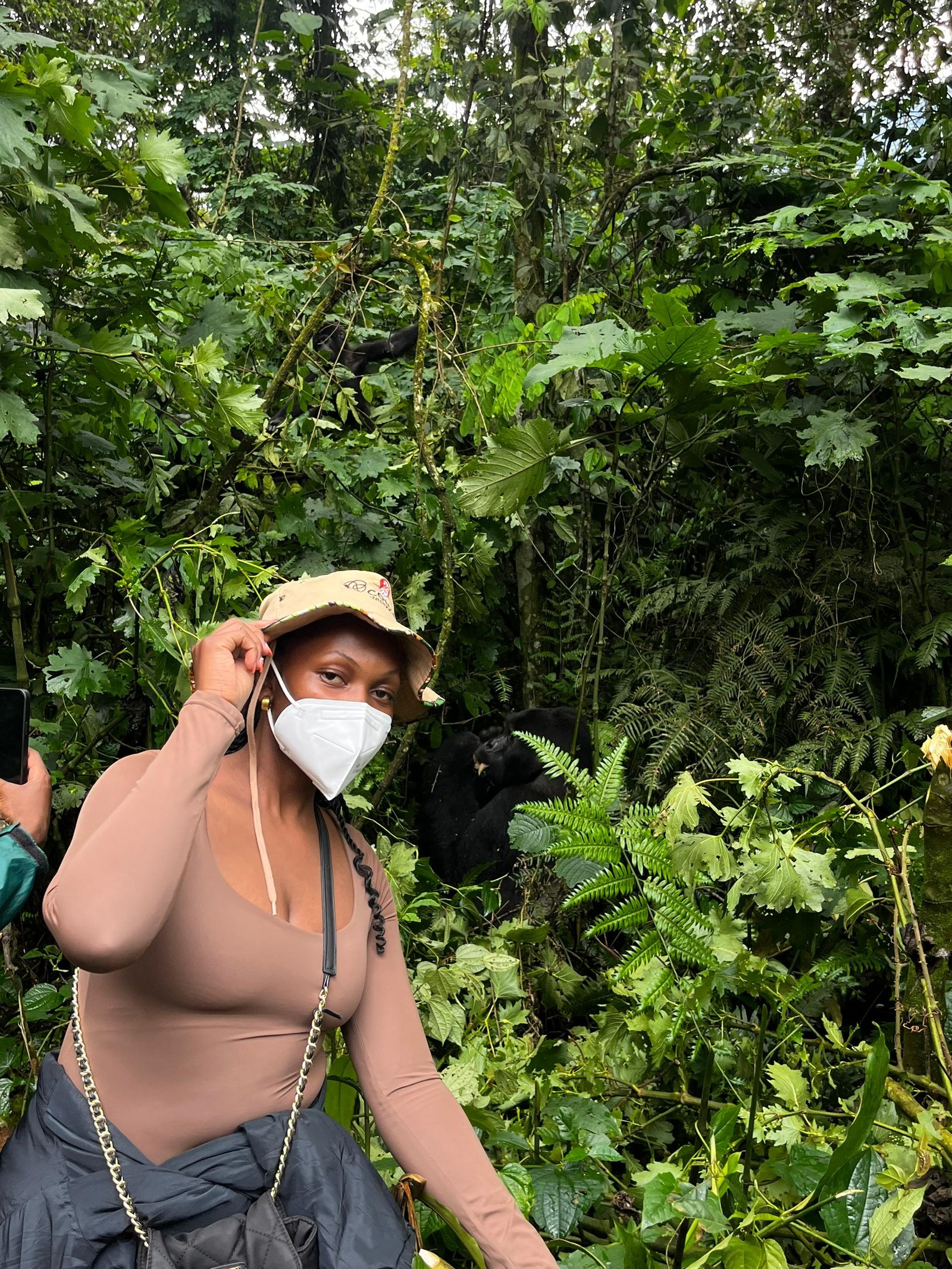
Bwindi Impenetrable National Park protects 321 square kilometres of tropical rainforest vegetation on the edge of the western rift valley in Uganda. Altitude runs from about 1,160 metres to 2,607 metres, and you feel that range in the temperature: a morning in Buhoma can be mild while dawn in Ruhija or Nkuringo is cold.
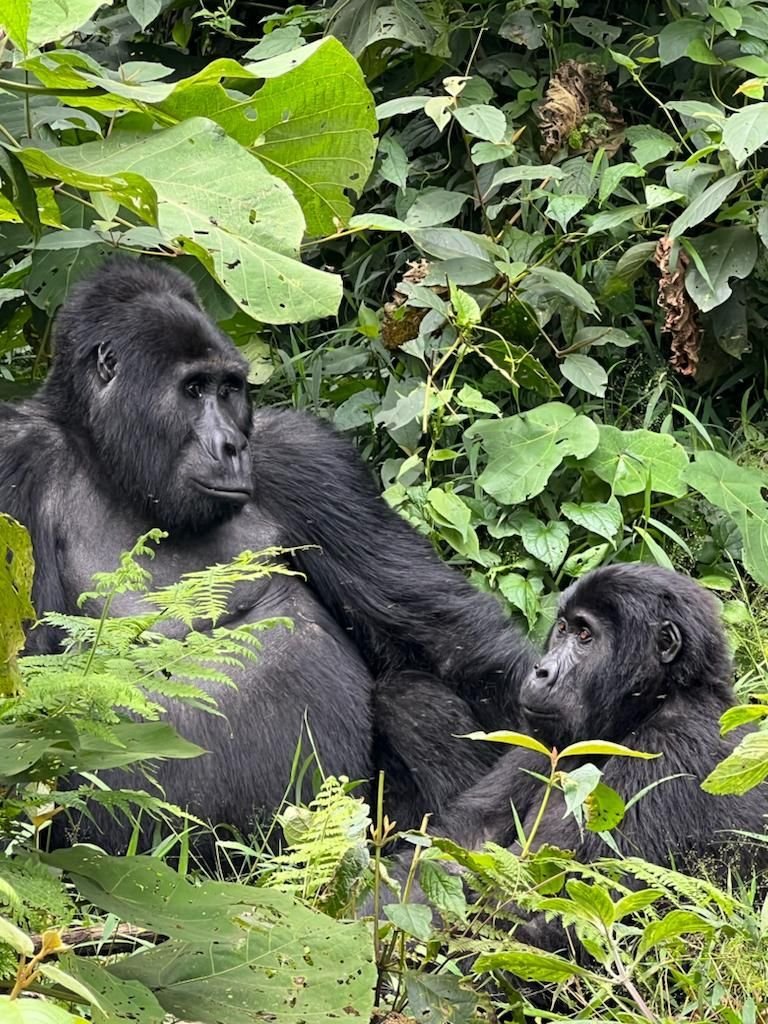
The forest is old. According to UNESCO, Bwindi survived the last Ice Age roughly 25,000 years ago, which is part of why the park holds such a concentrated mix of species. The most widely cited population figure comes from the Bwindi-Sarambwe 2018 census, a minimum count by the Uganda Wildlife Authority and ICCN published in December 2019: 459 mountain gorillas. Around 350 bird species have been recorded here, including Albertine Rift endemics, alongside chimpanzees, colobus monkeys, duikers, giant forest hogs and forest elephants.
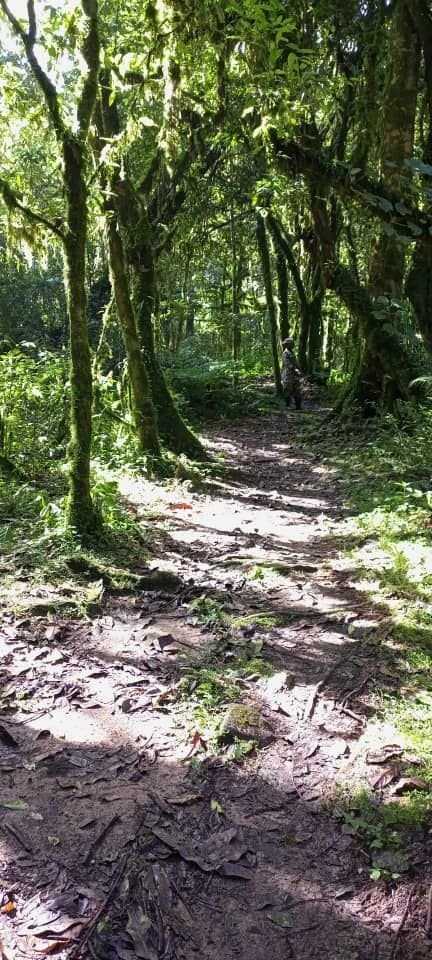
The “impenetrable” in the name is not marketing. The undergrowth is thick, the ridges are steep and cut by deep valleys, and trails shift character with the weather. That terrain makes every trek an effort.
The Human Story: The Batwa and the Forest
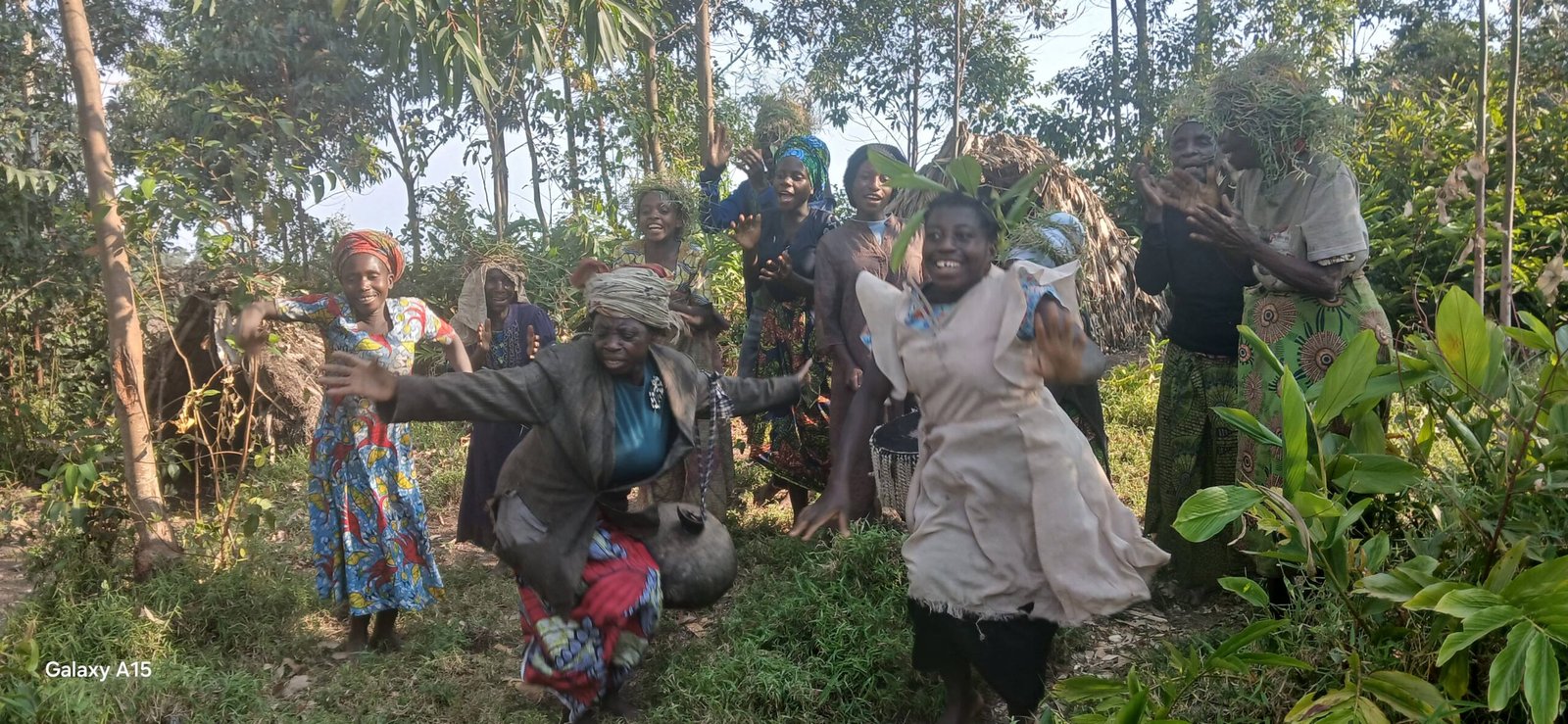
The Batwa lived in the forest as hunter gatherers until it was gazetted by the government as a national park in 1991. A Batwa community visit gives you the other half of the conservation story, how they lived in the forest, the medicines they used, the food they ate and other forest people customs told by the people who paid for it. Our 4-day Bwindi gorilla and Batwa safari builds it in.
The Four Sectors of Bwindi
The sectors are far apart and the roads between them are slow, so your lodge and transfer plan should follow the sector named on your permit. Here is how they compare:
| Sector | Distinguishing features | Suitable for |
|---|---|---|
| Buhoma | Historically the first established gorilla tourism sector in Bwindi; northern access | Visitors combining Bwindi with Queen Elizabeth National Park |
| Ruhija | High-altitude forest, birding opportunities and scenic landscapes | Birdwatchers and travellers following northern or central Bwindi routes |
| Rushaga | Wide choice of habituated gorilla families and the gorilla habituation experience | Visitors interested in habituation or southern Bwindi |
| Nkuringo | Scenic forest landscapes, walking trails, established lodges and access to Rushaga activities | Visitors arriving through Kigali, walking enthusiasts and those planning longer stays |
Buhoma
Buhoma is the northern gateway to Bwindi and the sector where organised gorilla tourism first developed. For many years it had a considerable head start in accommodation and tourism infrastructure while the other sectors were still developing.
That distinction is now largely historical: today, all four trekking sectors have established accommodation, from simpler lodges to high-end properties.
Buhoma remains an attractive choice, particularly for travellers combining gorilla trekking with Queen Elizabeth National Park. Its northern location can make it a practical part of a wider western Uganda safari, depending on the route and activities planned.
Ruhija
Ruhija sits at high altitude, and mist can sit on its ridges long into the morning. The forest suits birdwatchers, with Albertine Rift endemics among the species recorded in the park, and travellers following northern or central Bwindi routes who prefer a quieter sector.
Rushaga
Rushaga offers a wide choice of habituated gorilla families, and it is the base for the gorilla habituation experience, which meets at Nyabaremura. It pairs naturally with Kigali arrivals. If you are weighing the habituation product, read our gorilla habituation experience guide before you choose between it and a standard trek.
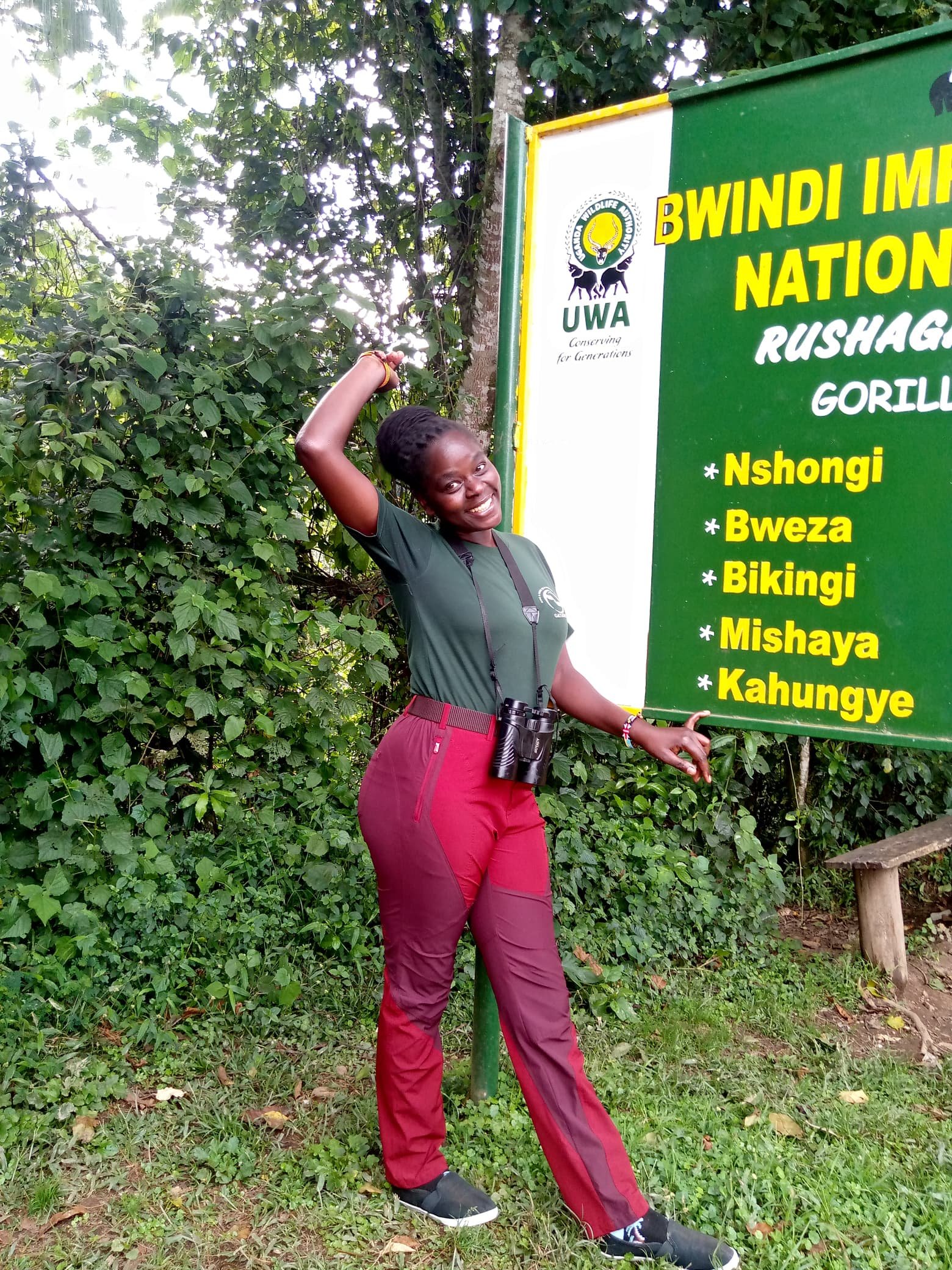
Nkuringo
Nkuringo is our home sector, and in our view, one of the most beautiful parts of Bwindi. Its steep forested slopes, ancient trees and views towards the Virunga volcanoes appeal to travellers who enjoy walking and time in nature.
We recommend allowing more than a single night here if your itinerary permits. Beyond gorilla trekking, visitors can explore the Nkuringo buffer zone, meet surrounding communities or take the forest trail connecting Nkuringo and Buhoma. The sector’s lodges show how far it has come: from one campsite, then one lodge, to several established options today.
Nkuringo is also a practical base for activities in Rushaga. From Orugano Bwindi Lodge, the drive to the Rushaga briefing point for standard trekking takes approximately 40 minutes, while the Nyabaremura meeting point used for habituation is approximately 25 minutes away, branching off at Rubuguli town.
The sector is accessible from Kigali in approximately four to five hours, depending on border formalities and road conditions, and travellers arriving by domestic flight through Kisoro can also reach Nkuringo by road. It sits near the southern border, with practical access to Rwanda via Cyanika and to golden monkey tracking in Mgahinga.
How Difficult Is Gorilla Trekking in Nkuringo?
Nkuringo has a reputation for challenging trekking because of its steep hills and mountainous landscape. But the terrain you see around the sector does not necessarily reflect the route you will walk to reach the gorillas.
From our experience operating here, the habituated families are often found within the primary forest, not far from its boundary. Much of the walking can involve reaching the forest from the vehicle drop-off rather than climbing the surrounding hills.
Improved access roads have made a considerable difference: vehicles can now reach points closer to the forest, reducing the walking distance guests previously covered before entering it.
Once inside the forest, the distance to the gorilla family varies with where the gorillas have moved that day. Some treks are relatively short, while others require more walking through thick vegetation and uneven ground. The gorillas’ movements are not fixed and park rangers determine the route, so no particular walking distance or difficulty level can be guaranteed.
We encourage visitors not to dismiss Nkuringo simply because it is mountainous; the trekking experience is often more manageable than its reputation suggests.
For us, Nkuringo’s appeal is not simply the gorilla trek. It is the opportunity to experience the forest, surrounding landscape and local communities at a more relaxed pace.
Why Some Visitors Stay Longer in Nkuringo
One story sums up how much the sector rewards time. Two French guests recently stayed at our Nkuringo lodge for seven days and six nights, the first ever to request it, playing football with local children and taking a cultural visit. You do not need six nights to add a walk or a community visit; the useful question is whether you want to arrive, trek and leave, or allow extra time in one place.
How We Help You Choose the Right Sector
When planning a Bwindi safari, we start with your travel dates, arrival point, available time and whether you want standard trekking or the habituation experience. We then check permit availability in the relevant sectors before recommending accommodation and arranging transfers. For guests combining Bwindi with Queen Elizabeth, Buhoma or Ruhija may fit the route better. For those arriving through Kigali or interested in golden monkeys at Mgahinga, the southern sectors often make more sense.
There is no single best sector for every traveller. The right choice is the one that fits your interests, permit availability and overall journey without unnecessary driving.
Getting to Bwindi: Kigali, Entebbe and Domestic Flights
The arrival route should follow the sector you have chosen rather than lead it.
Kigali. For the southern sectors, Nkuringo and Rushaga, Kigali is the shorter entry: about 4 to 5 hours by road, depending on border formalities and the final lodge. Travellers focused mainly on gorillas often route this way.
Entebbe. Entebbe or Kampala to Bwindi by road is a long day, usually around 8 to 10 hours depending on your sector and stops. Travellers building a fuller Uganda circuit that includes Queen Elizabeth or Murchison Falls usually enter this way.
Fly-in. Scheduled flights from Entebbe reach two airstrips near the park. Kihihi serves Buhoma and Ruhija. Kisoro serves Rushaga and Nkuringo; the flight saves the long drive, and the final transfer to Nkuringo is about 1 hour 20 minutes.
For the full side-by-side comparison, see our guide to Kigali versus Entebbe for gorilla trekking.
Where to Stay in Bwindi
Match your accommodation to the northern or southern sectors
For accommodation, think of Bwindi in two geographical groups: Buhoma and Ruhija in the north, Rushaga and Nkuringo in the south. These are four separate trekking sectors, but you do not always need to sleep in the sector named on your permit.
Transfers between Rushaga and Nkuringo are practical, so guests can stay in Nkuringo and travel to Rushaga for their booked activity. Buhoma and Ruhija can also be considered together, with the exact lodge-to-briefing transfer checked before booking.
Avoid staying in the north for a permit in the south, or the reverse; those cross-park road journeys are too long for a trekking morning. In practice we confirm permit availability for a specific date and sector first, then choose accommodation with a practical transfer to its meeting point.
When weighing the options, four things matter most: proximity to your sector’s briefing point, accommodation standard, road access, and whether you want to stay longer for other activities. Our guide to where to stay in Bwindi compares the properties in detail.
Orugano Bwindi Lodge sits in the Nkuringo sector, and we position it there deliberately: it is the base we recommend for Nkuringo treks. Its strongest practical detail is location: about 10 to 15 minutes’ walk from the Nkuringo UWA briefing point, so you might choose to start the morning on foot or in a vehicle. Masks for tracking are provided at the lodge as guests leave for the forest.
We should also be transparent: Orugano Bwindi Lodge is owned and operated by the same team behind Orugano Safaris.
Walks Beyond the Gorilla Trek
Two walks stand out among the activities our guests value most, and both come from our own operation.
The Buhoma to Nkuringo forest crossing. The walk through the forest takes about three to four hours and the day around it is longer: you still have the morning briefing-side arrangements and the onward transfer at the far end, so allow the whole day. We recommend it whenever an itinerary allows, because the route runs through the heart of the national park, past ancient trees and undergrowth thick enough to explain the park’s name. It is an activity in its own right, not a transfer and you can walk it in either direction.
The Nkuringo buffer-zone and community walk. This full-day circular walk leaves Orugano Bwindi Lodge at about 9:00 am and returns around 3:00 pm. The route passes through Ntungamo, stopping to meet families and learn about local plants, animals and daily life. Lunch is hosted in one of the family households before the walk returns to the lodge.
Allow the day for this activity, and discuss your walking ability with us beforehand so you understand the route and what it involves.
Gorilla Trekking in Bwindi: Permits and Rules in Brief
The full detail on permits, fitness and costs is in our Uganda gorilla trekking guide. What matters at the sector-planning stage:
- A gorilla permit is issued for a specific date and a specific sector. Your lodge, briefing point and travel plan follow from it.
- Permits are subject to the current Uganda Wildlife Authority tariff and confirmed at booking. For complete safaris, park fees and permits are incorporated into your quotation.
- The minimum age for gorilla trekking is 15 years.
- For standard gorilla trekking, the usual group size is up to eight visitors per habituated gorilla family. The habituation experience accommodates four visitors per day.
- Keep your distance from the gorillas and follow your park ranger’s instructions. Do not approach or touch them.
- Wear a face mask while tracking; if you stay at Orugano Bwindi Lodge, masks are provided as you leave for the forest.
- Do not trek if you are unwell, particularly with any respiratory illness; tell your operator before the briefing.
What about rain? Trek departures follow UWA instructions and conditions on the day; rain does not necessarily delay a trek. If rain arrives while you are in the forest, you may well come back wet and muddy; that comes with the terrain. Follow your rangers’ instructions on the morning of the trek and carry rain protection, because rain can arrive at any time. Our gorilla trekking packing list covers the full kit.
What about the habituation experience? Habituation takes place in the Rushaga sector. Guests meet the rangers directly at Nyabaremura, signposted via Rubuguli, before proceeding into the forest; permit, identification and ranger-instruction requirements all still apply. Under UWA’s current tracking guidelines, the experience runs from 6:30 am until visitors return for debriefing, and we confirm the meeting time and lodge departure for each booking. It allows up to four hours with a semi-habituated family. The UWA team leads the visit; researcher participation is not guaranteed. Our gorilla habituation experience guide explains the full product, and our Uganda gorilla habituation safari shows it as a packaged itinerary.
Frequently Asked Questions About Bwindi
How many days do I need in Bwindi?
One night can work when the logistics allow, but we recommend two nights for a single gorilla trek so the trek and the travel around it do not fight each other. Three nights give room for the habituation experience or a second trek.
Which sector should I choose for a first gorilla trek?
All four sectors are established trekking destinations, so the choice depends on your route, interests, permit availability and preferred accommodation rather than on which sector developed first. A first-time visitor arriving from Kigali may find Nkuringo or Rushaga more convenient, while someone coming from Queen Elizabeth may prefer Buhoma.
Can I stay in a different sector from my permit?
Within the same half of the park, often yes: Rushaga and Nkuringo transfers are practical, and Buhoma and Ruhija can be considered together once the transfer is checked. We advise against staying in the north for a permit in the south or the reverse; those cross-park journeys are too long for a trekking morning.
Is gorilla trekking in Bwindi worth the cost?
It is expensive and we will not pretend otherwise. It is also a once-in-a-lifetime experience and our guests’ response to it is the reason we keep sending people into that forest. Permits are subject to the current UWA tariff and confirmed at booking.
Is Nkuringo the most difficult gorilla trekking sector?
Not necessarily. Although Nkuringo is mountainous, improved road access has shortened the approach to the forest in some trekking areas. Habituated families are often found within walking distance of the forest boundary, although their location changes. Any trek’s difficulty depends on the family’s position, the assigned route and conditions on the day. If you have health concerns or mobility limitations, tell us when booking and discuss them with your guide and the park rangers.
What does a porter do and should I hire one?
A porter carries your daypack and gives you a steadying hand on steep or slippery sections. In our experience most guests choose to hire one and the fee goes directly to community members.
Can children trek gorillas in Bwindi?
Gorilla trekking is available from age 15. Children younger than 15 cannot join the trek.
What happens if it rains before trekking?
Departures follow UWA instructions and conditions on the day. If the rain is heavy then you usually wait for it to stop and you can always discuss with your assigned rangers when you feel like waiting for going to the forest. Carry rain protection regardless of the morning’s weather.
Plan Your Bwindi Safari
Bwindi rewards travellers who plan the sector first. Tell us when you want to travel and which sector interests you and we will advise on permits, lodges and routing for your dates.