Uganda safari cost is usually the first thing you need to get clear before you choose permits, lodges, or transport. Planning a safari in East Africa often feels like trying to solve a puzzle where the pieces keep moving. If you are looking at 2026 dates, you need the blunt reality of the costs today, not outdated brochures from three years ago. If you are comparing gorilla trekking Uganda and Rwanda, the cost gap starts with permits but quickly expands into transport, lodge rates, and how much time you spend on the road.
A Uganda safari cost is not just about the international flight over; it is a mix of fixed government fees, lodge tiers, and the choice between a long road transfer or a 75-minute flight. This guide also helps if you are weighing Uganda vs Rwanda gorilla trekking costs and logistics or trying to plan the most practical route into Bwindi. Here is the field guide to what you will actually spend.
What does a Uganda safari cost in permits in 2026?
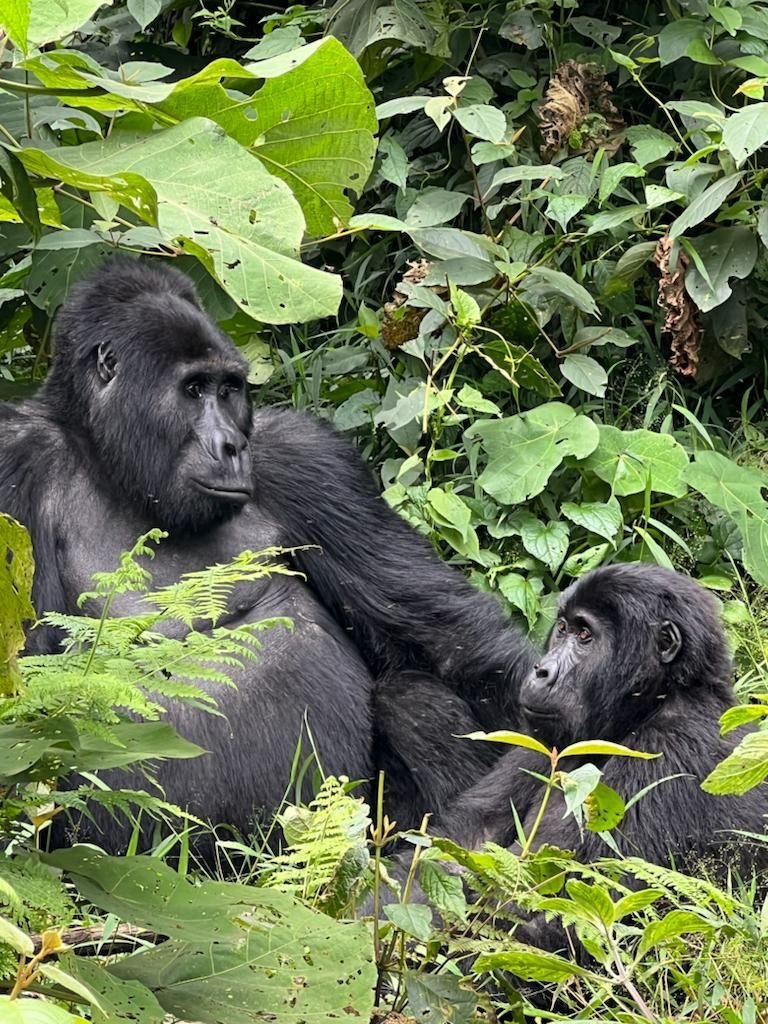
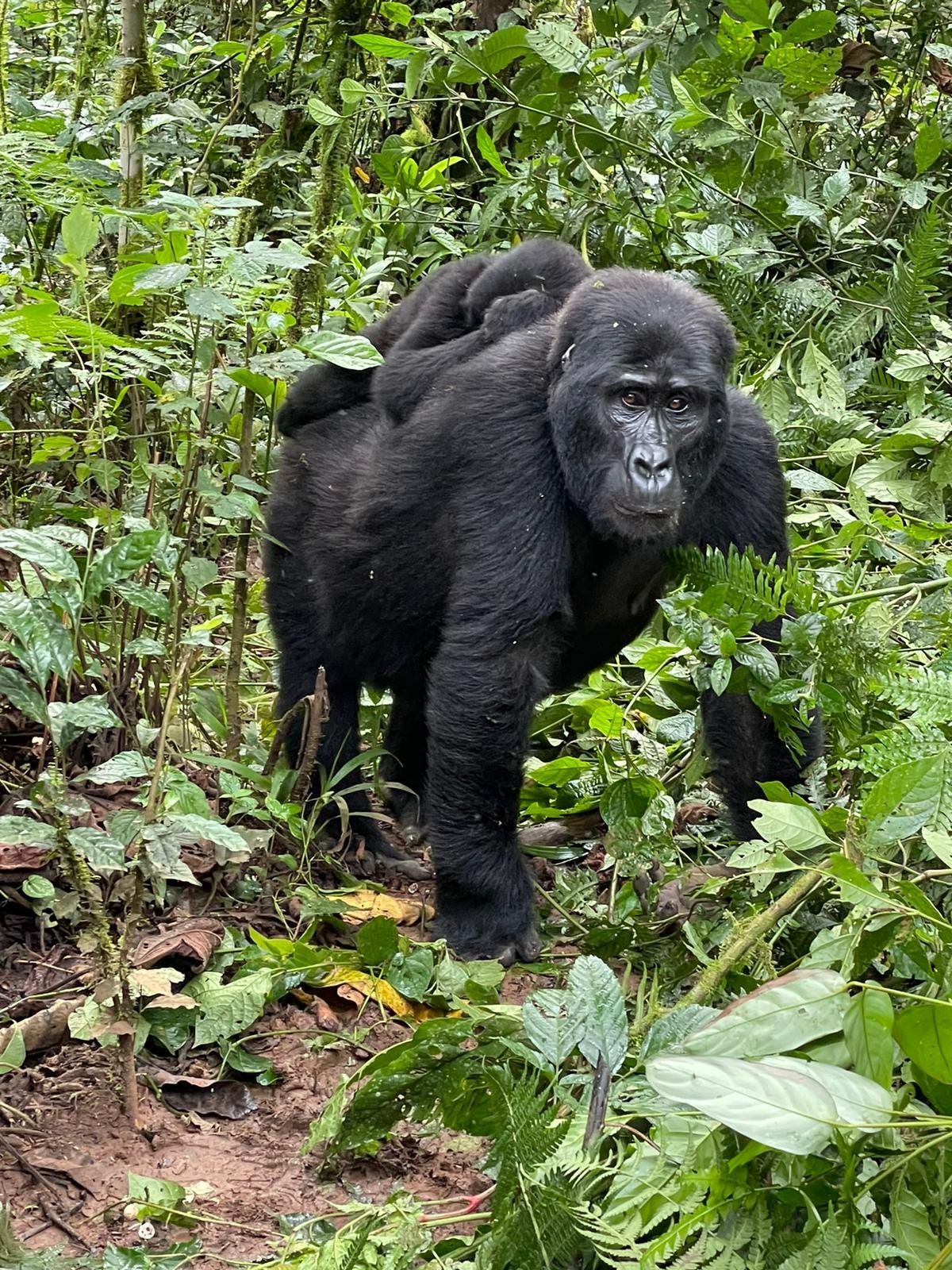
The permit is your biggest non-negotiable expense in any Uganda safari cost breakdown. In 2026, a single gorilla trekking permit in Uganda costs $800. If you look across the border to Rwanda, that same experience costs $1,500. If you want to add another primate activity, the golden monkey permit in Uganda costs $100. For official permit information, check the Uganda Wildlife Authority.
At Orugano Safaris, we operate an “Immediate Permit Procurement” policy. This means we require 100% of the permit cost upfront. Why? Because the Uganda Wildlife Authority (UWA) does not hold spots. If you don’t pay today, the permit is gone tomorrow. We’ve seen permits for peak seasons (June–August and December) sell out six months in advance. If you are still choosing between the standard trek and gorilla habituation in Uganda, sort that out before you ask for permit checks because the availability pools are different.
If you want more time with the primates, the Gorilla Habituation Experience in the Rushaga sector costs $1,500 (US$1,800 for foreign non-residents from 1 January 2027). You get four hours with the gorillas instead of one. Interestingly, 80% of our guests find the 4-hour habituation trek more rewarding because it allows you to see the family dynamics beyond just the initial “wow” moment.
Gorilla trekking Uganda and Rwanda: Why is one double the price?
You might wonder why you’d pay $700 more for a permit in Rwanda. The answer is logistics and time.
- Rwanda: The drive from Kigali to Volcanoes National Park is only 2.5 to 3 hours on smooth tarmac. It is “luxury-positioned,” meaning even the “budget” lodges in Rwanda often start at $400 per night.
- Uganda: The road from Entebbe to Bwindi is a 9-hour marathon. It’s tiring, but it is now mostly tarmac/paved for the main route, so it is generally not dusty. However, your dollar goes much further here. A high-end lodge in Uganda often costs half of what a similar luxury lodge costs in Rwanda.
If you are comparing routes, read our guide on Kigali vs Entebbe for gorilla trekking because the airport you use changes both your transfer time and your budget. If you are on a multi-country safari, we often recommend trekking in Uganda to save your budget for high-end camps in the Serengeti or Masai Mara.
How much should you budget per day for your Uganda safari cost?
Aside from your permit, your daily spend depends entirely on your tolerance for basic vs. boutique. This is the part of the Uganda safari cost that shifts fastest depending on comfort level and group size.
Budget Tier: $150–$250 per day
At this level, you are staying in clean guesthouses or basic tented camps outside the park boundaries. You will likely be in a shared safari vehicle. It’s functional, but the morning mist in Bwindi is cold enough to need a fleece, and basic rooms don’t always have the best insulation.
Mid-Range Tier: $300–$500 per day
This is where most of our guests land. You get a private 4×4 Land Cruiser, a professional guide, and stays at lodges like Orugano Bwindi Lodge. These lodges offer hot showers, solid meals, and views of the forest canopy. For example, our double/twin cottages typically range from $300 to $500 depending on the season, including full-board service. If you are pairing gorillas with another primate activity, many travelers in this bracket also add chimpanzee tracking in Uganda.
Luxury Tier: $600+ per day
If you want the “classic” safari aesthetic: think copper bathtubs, private decks, and gourmet three-course dinners: you are looking at $600 to $1,200 per night. At this level, you aren’t just paying for a bed; you’re paying for the most exclusive locations right at the park gates.
Real Uganda Safari Cost Examples
Here is a practical snapshot of what different Uganda safari styles usually cost per person. If you are trying to estimate your Uganda safari cost quickly, this is the section most travelers start with:
| Safari Type | Typical Cost |
|---|---|
| Gorilla Trek Only (3 Days) | $1,500–$2,500 pp |
| Gorilla + Lake Bunyonyi (4 Days) | $2,000–$3,000 pp |
| Gorilla + Chimps (7 Days) | $3,500–$5,500 pp |
| Uganda Highlights (10 Days) | $5,000–$8,000 pp |
| Luxury Uganda Safari (14 Days) | $8,000–$15,000+ pp |
What Does a Typical 7-Day Uganda Safari Cost?
A standard 7-day itinerary that combines gorilla trekking and chimp tracking usually breaks down like this per person. For many travelers, this is the most useful real-world Uganda safari cost example because it combines permits, lodging, and transport in one trip:
| Cost Item | Typical Cost |
|---|---|
| Gorilla permit | $800 |
| Chimp permit | $250 |
| Accommodation | $1,400 |
| Vehicle and guide | $300/day, or $2,100 total |
| Park fees | $200 |
| Meals | Included |
| Total | approximately $3,850–$5,500 per person depending on group size |
Should you fly or drive? The “Hidden” Transport Cost
This is where your itinerary can get expensive. Transport is one of the biggest moving parts in your Uganda safari cost, especially if you are deciding between a road trip and domestic flights.
- The Drive ($300/day): Hiring a 4×4 with a guide and fuel is the standard way to see the country. The current working figure is $300 per day for the vehicle and guide. The vehicle seats up to 7 passengers, so the per-person cost drops fast if you are traveling as a family or small group. The drive to Bwindi is still long and tiring, but the main Entebbe-Bwindi route is mostly tarmac/paved, so you are not dealing with the old dusty-road problem for most of the journey.
- The Flight ($388 one way): Companies like AeroLink and Bar Aviation run daily “safari hops.” A flight from Entebbe to Kihihi or Kisoro takes about 75 minutes. In 2026, expect to pay around $388 one-way per person to Kisoro, with similar pricing on some other safari routes depending on the sector and season.
Field observation: Many of our guests choose to fly one way and drive the other. This saves you a full day of travel but still lets you see the landscape. If you are not sure which transfer style fits your trip, start with our Uganda safari planning guide and Bwindi travel guide.
Hidden Safari Costs Many Travelers Forget
Even when your safari quote looks complete, there are still a few common extras that catch travelers off guard. These smaller items can push your Uganda safari cost higher than expected if you do not budget for them early:
- International flights to and from East Africa
- Visa fees
- Travel insurance
- Tips for guides, lodge staff, and trackers
- Premium drinks and alcohol
- Laundry
- Credit card charges
- Gorilla porter fees ($15–$25)
- Personal shopping
For travel documentation, use the official Uganda E-Visa portal instead of relying on third-party visa sites.
This is also where people forget practical prep costs like good waterproof layers, gaiters, and cash for trail support. Use our gorilla trekking packing list before you finalize your budget, and if you are wiring deposits from abroad, check our guide on safari booking safety and payments so you know what fees to expect.
Can you bring the kids? Family pricing realities
Traveling with a family changes the math.
- Age Limits: You must be 15 years or older to trek gorillas. No exceptions. If your child is 14, they cannot join you on the trek.
- Family Rooms: Lodges like Orugano Bwindi Lodge offer family cottages. These usually offer a slight discount compared to booking two separate rooms.
- Discounts: Children under 5 usually stay for free, and those aged 5–12 often get a 25–50% discount on lodge rates. However, permit prices are flat. A 16-year-old pays the same $800 as a 60-year-old.
Where to Stay in Bwindi: Choosing the Right Lodge
Choosing a lodge in Bwindi is not just about room price. It directly affects your Uganda safari cost because the wrong sector can mean extra transfers, wasted time, or a lodge standard that does not match what you paid for. You need to check which sector you are trekking from, how close the lodge is to the briefing point, and the altitude. A lodge can look well priced online and still be the wrong fit if it leaves you with a long transfer before your trek. If you have not yet worked out which side of the park makes sense, start with our Bwindi guide and then compare that with your permit sector.
Travelers staying in the Nkuringo side often choose lodges such as Orugano Bwindi Lodge, which is a high-standard mid-range option at about 2100m altitude. From there, you get views over the forest, the volcanoes, and on clear days or nights you may even catch signs of volcanic activity from Nyiragongo and Nyamuragira in Congo. That altitude also means the mornings are cold enough that you will want a fleece before breakfast.
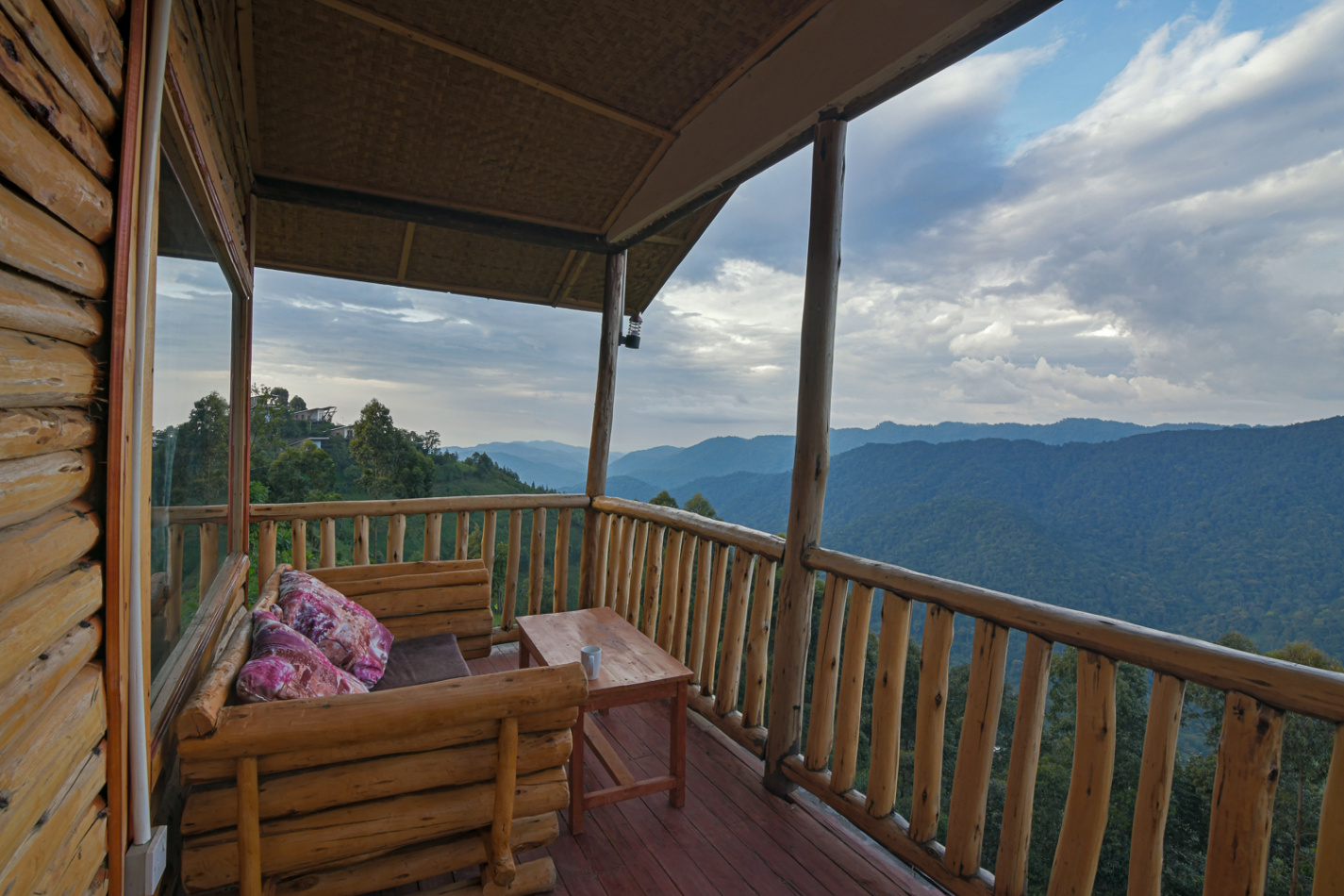
The practical point is this: proximity to the trailhead matters, a warm room after a wet trek matters, and service standards matter. Orugano Safaris only books lodges with proven service standards, because a cheap room stops being cheap if the food is late, the shower is cold, or the road access is poor. If you want to recover after trekking, many guests also combine Bwindi with Lake Mutanda for a softer final night. Trekking in the rain means mud in your boots, so a practical base for muddy gear still matters as much as the view.
Is Uganda More Expensive Than Kenya or Tanzania?
If you are comparing East African safari budgets at a broad level, Uganda often sits below Rwanda and can be competitive with Kenya and Tanzania depending on how many park days and flights you include. In simple terms, your Uganda safari cost is usually driven by gorilla permits, while Kenya and Tanzania budgets are often driven harder by park fees and higher-end camp circuits.
| Safari Destination | Typical Trip Cost |
|---|---|
| Uganda Gorilla Safari | $3,000–$6,000 |
| Kenya Safari | $4,000–$8,000 |
| Tanzania Safari | $5,000–$10,000 |
| Rwanda Gorilla Safari | $4,500–$9,000 |
Recent Safaris: What people are booking in 2026
To give you an idea of what others are doing right now, here are a few of our recently completed itineraries:
- June 2026: 7-Day Gorilla & Mountain Adventure (2 guests) – A classic fly-in/drive-out mix.
- June 2026: Gorilla Trekking & Lake Mutanda Experience (4 guests) – Mid-range road safari focusing on photography.
- May 2026: Gorilla Habituation Safari (4 guests) – Focused exclusively on the 4-hour Rushaga experience.
- April 2026: East Africa Safari (6 guests) – A 14-day cross-border trip covering Uganda, Rwanda, and Kenya.
Frequently Asked Questions
How much does a Uganda safari cost for 2 people?
For 2 people, a Uganda safari usually costs $4,000–$12,000 depending on trip length, lodge level, and whether you include gorilla trekking, chimpanzees, or internal flights. The biggest variable is transport: if you split a $300/day vehicle across 2 people, your per-person cost stays much higher than if you split that same vehicle across 4 to 7 travelers. That is why the Uganda safari cost for couples often looks less efficient than the same route priced for a family or small private group.
Is Uganda cheaper than Rwanda?
Yes. Uganda is usually cheaper than Rwanda for gorilla trekking because the permit is $800 in Uganda versus $1,500 in Rwanda.
What is the cheapest month?
The cheapest months are usually March, April, May, October, and November. These are wetter months, so you often find lower lodge rates, but you should expect more mud on the trails.
Is gorilla trekking worth $800?
Yes. For many travelers, it is the highlight of the whole East Africa trip. It is expensive, but most people come back saying the permit was the part they would pay for again. If your main worry is the physical side rather than the money, read our guide on gorilla trekking difficulty and fitness.
Can I do it without a tour?
Yes, but you still need to secure the permit and sort out transport, lodge bookings, and the right park sector logistics yourself. If you are building the trip on your own, our Uganda safari planning guide covers the order to tackle those decisions.
Ready to check availability?
Safari prices fluctuate based on lodge availability and seasonal surcharges. That means your final Uganda safari cost can move depending on dates, permit stock, and lodge demand. Don’t guess your budget. Send us your preferred dates and we’ll check permit availability and lodge rates in real-time for you.
Whether you want the long road transfer or a private flight to the forest, we can build the route that fits your budget. Tell us your arrival airport and we’ll advise on the best route for your 2026 trip. If you are still comparing countries, routes, or trek styles, we can also point you to the right guide before you book.