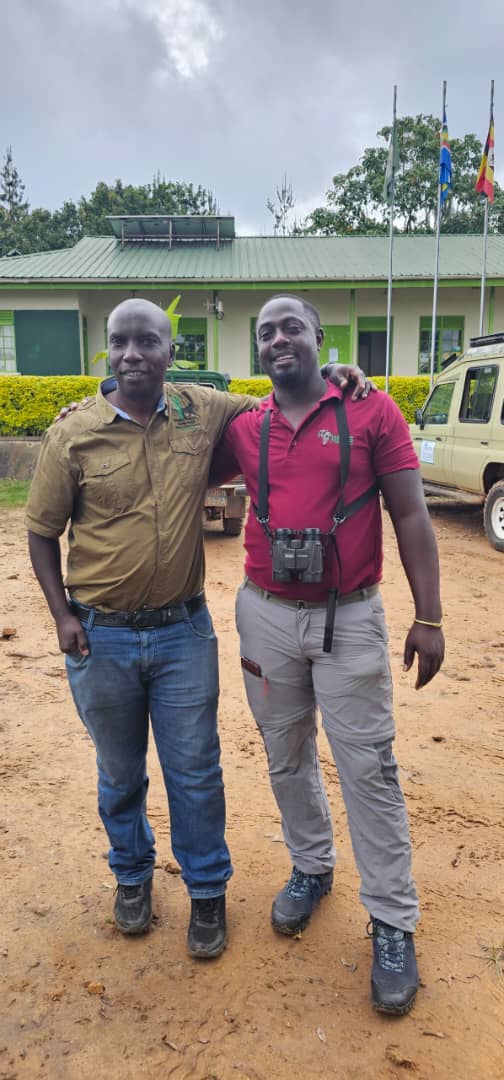
Other than booking the wrong permit or permits in the wrong sector, the other expensive mistake is arriving in Bwindi with the wrong gear. A leaking rain jacket, wet socks, or poorly fitted boots can turn one of Africa's greatest wildlife experiences into six uncomfortable hours in the rainforest.
This gorilla trekking packing list is built as a practical, copy-paste-ready checklist you can actually use before your trip to Uganda or Rwanda. We’ve kept it simple: what matters, what you can skip, and what Orugano Safaris already provides so you don’t overpack.
Before you work through this checklist, start with The Ultimate Guide to Gorilla Trekking in Uganda as your definitive first-timer resource. If you’re also wondering about fitness, trail conditions, and how tough the day really feels on the ground, read Is Gorilla Trekking Hard? as well.
This checklist focuses specifically on gear for the gorilla trek itself. Packing for the rest of your Uganda or Rwanda trip too — game drives, travel days and general essentials? See our full Uganda & Rwanda Safari Packing List.
At Orugano Safaris, we don’t just sell the trek. We run it with real operational context, and we own Orugano Bwindi Lodge in Nkuringo. That means we know what guests actually use, what they forget, and which items we can already cover for you. It also means we tell you to check your sector permit with our team before you lock in transport and lodge nights. Packing matters, but so does making sure you are showing up in the right part of Bwindi in the first place.
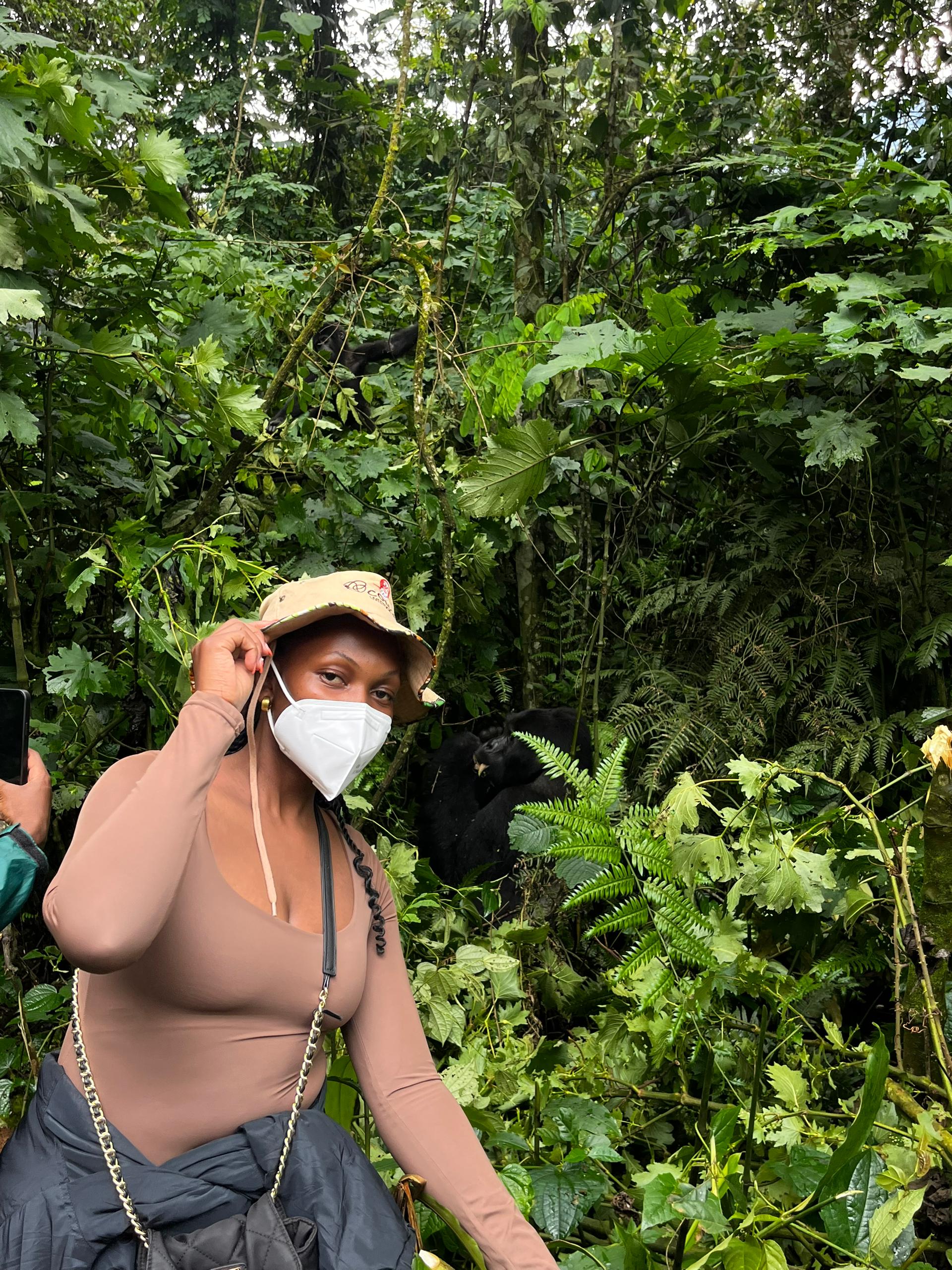
Table of Contents
- Start Here: The Bwindi Specialist Advantage
- The Essential Clothing Checklist
- Wet Season vs Dry Season Packing Guide
- Luxury vs Budget Packing Guide
- The Gear Checklist
- Photography Gear for Gorilla Trekking
- Printable Gorilla Trekking Checklist
- The Tech & Health Checklist
- What We Provide at Orugano Bwindi Lodge
- Uganda vs. Rwanda: Are There Packing Differences?
- Frequently Asked Questions
1. Start Here: The Bwindi Specialist Advantage
Before you pack everything into your bag, know this: if you are trekking with Orugano Safaris and staying at Orugano Bwindi Lodge, we already lighten part of your load.
Copy-paste checklist: what we help with
- Walking sticks provided at the lodge for trek day support
- Boot cleaning after the trek, so you don’t need to stress about packed-on Bwindi mud
- Packed lunch arranged for trek day
- Filtered water refill points at the lodge
- Operational advice from a team based in Bwindi, not generic safari packing advice from outside Uganda
That means your gorilla trekking packing list can stay focused on the gear that really affects your comfort on the trail.
2. The Essential Clothing Checklist for Your Gorilla Trekking Packing List
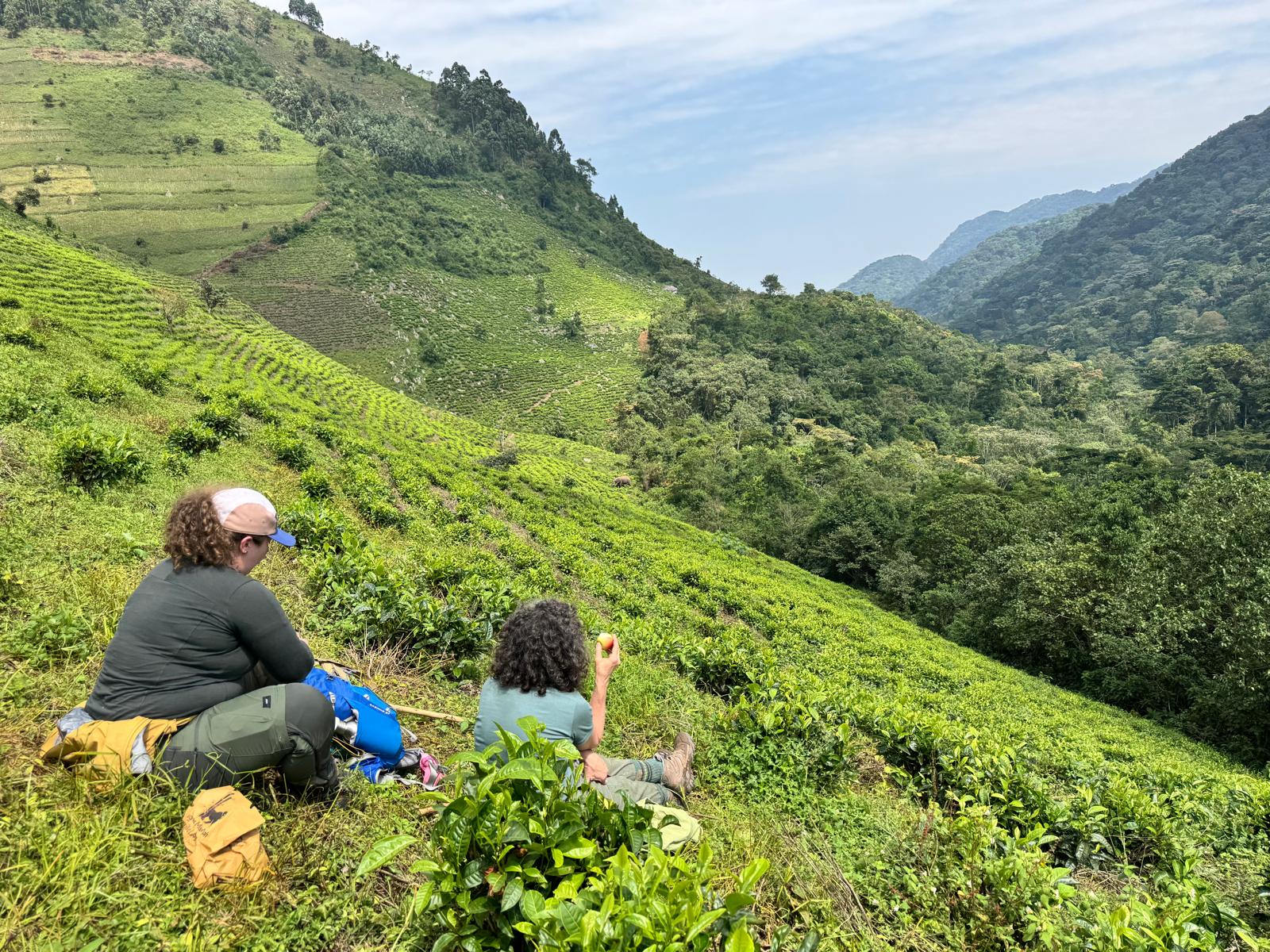
Bwindi mornings can start cold and damp, especially in higher sectors like Nkuringo. By midday, you may be warm, sweaty, and still walking through wet vegetation. Dress for friction, mud, insects, and thorny plants, not for photos.
Copy-paste clothing checklist
- Long-sleeved trekking shirt
Protects your arms from nettles, branches, and sun. - Long trekking trousers
Do not wear shorts. The forest will scrape your legs up. - Neutral colors only
Pack green, brown, grey, or khaki. - No camouflage
In Uganda, camouflage is associated with the military. - Avoid blue and black clothing
These colors can attract biting flies in some safari areas. - Light fleece or mid-layer
Useful for early briefing hours when the air is cold. - Lightweight waterproof rain jacket
Trekking in a rainforest means rain is always possible. - Long hiking socks
Bring more than one pair in case the first pair gets soaked. - Use the “sock tuck”
Tuck your trousers into your socks to reduce ants and debris getting up your legs.
Field note
If you only remember one clothing trick from this article, make it the sock tuck. It looks awkward. It works.
Real Bwindi authority note
The “Africa is always hot” idea causes packing mistakes every month. If you stay at Orugano Bwindi Lodge, especially in Nkuringo, nights are cold enough to need a fleece, warm top, or light jacket even in the dry season.
3. Wet Season vs Dry Season Packing Guide
Your packing changes a bit depending on when you trek. The core list stays the same, but the wrong seasonal choices are where people end up cold, muddy, or carrying too much. If you are still choosing months, our The Ultimate Guide to Gorilla Trekking in Uganda also helps you think through the best time to trek before you build your gorilla trekking packing list.
June-August & December-February
These are the drier months. You still pack for rain, but usually with a lighter system.
- Lighter rain jacket
- Breathable trekking clothing
- Standard hiking socks
- Expect less mud overall
- Prepare for dusty roads on transfers
March-May & September-November
These are the wetter months. This is when proper waterproofing stops being optional.
- Waterproof trousers
- Extra socks
- Gaiters strongly recommended
- Waterproof backpack liner
- More serious rain protection for cameras and documents
Orugano Bwindi Lodge note
If you are staying with us in Nkuringo, carry warm clothing even in dry months. The evenings and early mornings are colder than many first-time guests expect.
4. Luxury vs Budget Packing Guide
You do not need premium gear from head to toe for a solid gorilla trekking packing list. Spend where it helps. Save where it does not.
| Item | Budget Option | Premium Option |
|---|---|---|
| Boots | Decathlon | Salomon |
| Rain Jacket | Columbia | Arc'teryx |
| Daypack | Basic hiking pack | Osprey |
| Gloves | Gardening gloves | Trekking gloves |
Bottom line: good boots matter. Expensive everything else does not. If you are booking the Gorilla Habituation Experience and spending up to 4 hours with the gorillas instead of the standard 1 hour, durable boots, a reliable rain layer, and a comfortable daypack matter even more.
5. The Gear Checklist
This is where most gorilla trekking packing list mistakes happen. Guests either underpack and suffer, or overpack and carry things they never touch.
Copy-paste gear checklist
- Waterproof hiking boots with ankle support
Your boots should be broken in before arrival. New boots plus wet slopes equals blisters. - Good grip on the sole
Mud in Bwindi is slick, especially after overnight rain. - Gardening gloves or trail gloves
You will grab stems, branches, and muddy support points. - Small daypack (20–30L)
Enough for water, lunch, rain layer, and camera gear. - Rain cover for your daypack
If the bag is not waterproof, the cover matters. - 2–3 liters of drinking water
Trek times vary a lot. Some guests are back quickly; others are out for hours. - High-energy snacks
Nuts, energy bars, dried fruit, or chocolate all work. - Gaiters (optional but useful in Uganda)
Helpful if you hate mud and want extra protection around the lower leg.
What matters most?
If your budget only stretches to doing one gear item properly, make it the boots. This is an $800 permit environment. Wet feet and poor grip are not where you want to cut corners. The right boots do not make the trek easy, but they do make steep, muddy sections far more manageable. If you are unsure what the day feels like physically, read Is Gorilla Trekking Hard?. For most travelers, this is the single most important part of the entire gorilla trekking packing list.
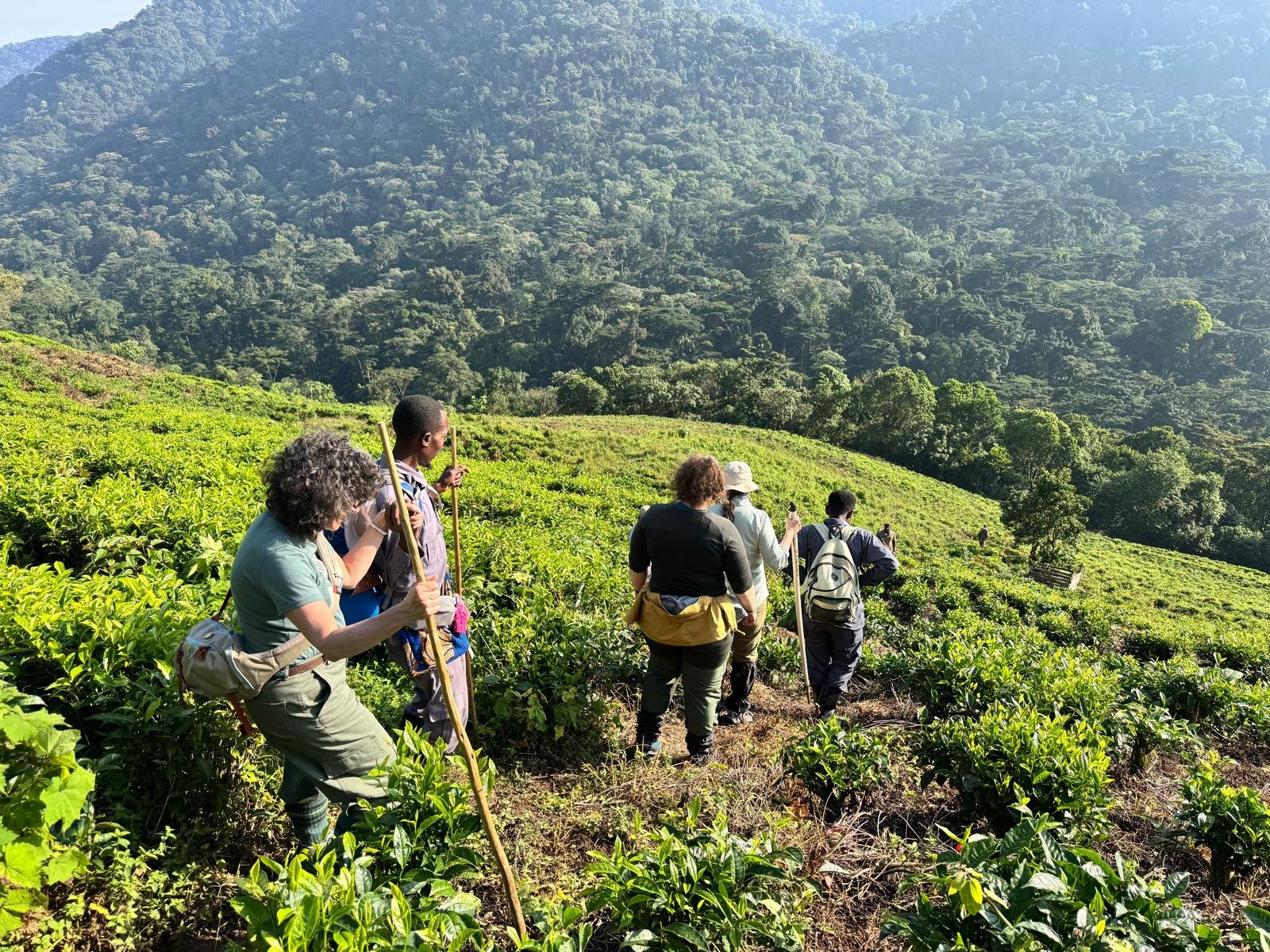
6. Photography Gear for Gorilla Trekking
You do not need a huge camera setup to come back with good images. Most guests get strong photos with a good phone or a camera they already know how to use. You get close enough for great shots, and a smart gorilla trekking packing list leaves room for camera protection without overloading your daypack.
Recommended
- A good smartphone or professional camera gear
- Extra battery
- Extra memory card
- A simple rain cover or dry bag for your camera
Avoid
- Flash
- Tripods — gorillas move too much, and the forest floor is uneven
For a complete guide, see our Gorilla Photography Guide.
7. Printable Gorilla Trekking Checklist
If you want one short gorilla trekking packing list to save to your phone, use this.
Clothing
- Long trousers
- Long sleeves
- Rain jacket
- Hiking socks
Gear
- Boots
- Daypack
- Water (provided at Orugano Lodge)
- Snacks (provided at Orugano Lodge)
Health
- Medication
- Sunscreen
- Insect repellent (Nkuringo is not a high-mosquito area, but we still make sure cottages are clear anyway)
8. The Tech & Health Checklist
Your gorilla trekking packing list is not just clothes and boots. A few small health and tech items make the day smoother and protect both you and the gorillas.
Copy-paste tech & health checklist
- Face masks
Park guidance can change, but carrying one is the safe move. - Insect repellent with DEET
Useful before and after the forest walk. - Personal medication
Keep it in your daypack, not buried in your suitcase. - Sunscreen
Cloud cover does not fully protect you at altitude. - Hat or cap
Good for sun and light drizzle. - Camera
Bring what you are comfortable carrying uphill. - Extra battery and memory card
Cold mornings and long days can drain batteries faster than expected. - No flash photography
Keep your camera settings sorted before you reach the gorillas. - Digital or printed copy of your permit/passport details
Your guide handles the day, but backup documents are smart.
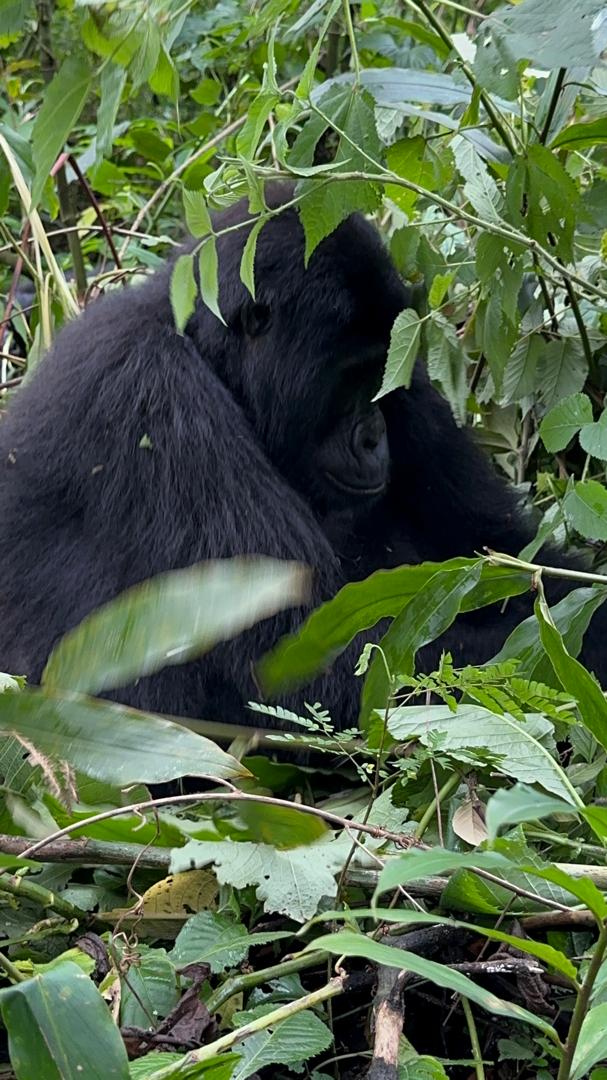
9. What We Provide at Orugano Bwindi Lodge
One of the practical benefits of booking with a Bwindi-based operator is that you do not need to pack for every possible scenario yourself. If you stay with us in Nkuringo, we already cover a few key items and services.
Copy-paste checklist: what Orugano helps with
- Walking sticks for trek support on steep or muddy sections
- Boot cleaning and drying support after the trek
- Filtered water refill stations
- Packed lunch coordination
- On-ground advice from a lodge team that sees trekkers daily
What this means for your bag
You still need proper boots, clothing, gloves, and your own personal essentials. But you do not need to bring your own walking stick, and you do not need to worry about scrubbing dried mud off your boots after a hard day in the forest.
10. Uganda vs. Rwanda: Are There Packing Differences?
Yes, but not by much. 95% of the list is identical. The differences are mostly about trail conditions, transfer style, and what annoys you most on the day.
| Feature | Uganda (Bwindi/Mgahinga) | Rwanda (Volcanoes NP) |
|---|---|---|
| Trail conditions | Usually muddier trails and more varied trek lengths. | More volcanic terrain underfoot. |
| Useful extras | Gaiters are handy, especially for mud and fire ants. | Standard boots usually do the job well. |
| Transfers | Longer and rougher in many itineraries. | Shorter transfers from Kigali. |
| Morning feel | Damp and cool depending on sector. | Cooler mornings are common. |
| Plastic Bags | Discouraged but common. | Strictly Illegal. Do not bring plastic shopping bags into Rwanda. Rules and park access logistics are managed through the Rwanda Development Board. |
If you are comparing destinations more broadly, read Uganda vs Rwanda Gorilla Trekking for the on-ground differences and Kigali vs Entebbe if transfer time is part of your decision. That comparison also helps you adjust your gorilla trekking packing list for road time, border crossings, and terrain.
Regardless of the country, the goal is the same: stay dry, stay protected, and stay comfortable.
11. Frequently Asked Questions
Is gorilla trekking hard? It varies. Some groups find the gorillas in 45 minutes; others hike for 6 hours. We recommend a basic level of fitness. If you’re worried about the physical side, read our full guide here: Is Gorilla Trekking Hard?. We can also help you hire a porter, which we strongly recommend for extra support on steep sections.
Can I wear sneakers? We strongly advise against it. Sneakers lack the grip needed for wet mud and the ankle support needed for uneven terrain. You will likely spend the whole time slipping.
Can I rent boots? Yes. In many trekking areas you can rent wellies/gum boots. They are useful as a backup, but if you already own broken-in hiking boots with good grip, those are usually the better choice.
Do I need gaiters? Not always, but they help a lot in Uganda when trails are muddy or when fire ants are active. If you do not have gaiters, tuck your trousers into your socks.
Do I need trekking poles? Not necessarily. Uganda Wildlife Authority (UWA) often has walking sticks available, and we also support guests with trek-day basics at the lodge. If you already like using your own trekking poles, you can bring them.
What bag size should I bring? Any size works if you can carry it comfortably, but a 20–30L daypack is usually enough. If your bag feels heavy, hire a porter. It makes the day easier and supports local livelihoods.
Can I use my phone for photography? Yes. Most guests get great shots with a good phone, especially because you get close enough for strong images without huge zoom lenses.
What is the "best" time to visit? The dry seasons (June–August and December–February) are the most popular, but trekking in the rainy season is often more lush, and the gorillas sometimes move to lower altitudes for bamboo shoots. For a fuller breakdown, read Best Time for Gorilla Trekking.
How do I book my permits for 2026? Permits are limited and sell out months in advance. We recommend booking early and checking sector availability with the Orugano team before you confirm flights or lodge nights. If you are comparing experiences, you may also want to read Gorilla Habituation Experience before choosing your permit type.
Ready to Start Packing?
Use this gorilla trekking packing list as your working checklist, then send us your travel dates and arrival airport and we’ll help you sanity-check the rest. If you’re still early in the planning stage, start with our The Ultimate Guide to Gorilla Trekking in Uganda for the full route, permit, sector, and logistics picture. A good gorilla trekking packing list works best when it matches your sector, season, and transfer plan.
At Orugano Safaris, we help you go into the forest properly prepared, and as owners of Orugano Bwindi Lodge, we make the ground reality easier with walking sticks, boot cleaning, water, snacks, and on-site support that cuts down what you need to carry. We also help you confirm the right sector permit before you travel, which matters just as much as what goes in your bag.
Contact our team today and send us your dates. We’ll check permit availability in real time, confirm the right sector, and tell you what to pack for your route and season.