- +256 701 230309
- info@oruganosafaris.com
- Bwindi Impenetrable National Park, Kisoro, Uganda
- +256 701 230309
- info@oruganosafaris.com
- Bwindi Impenetrable National Park, Kisoro, Uganda
Volcanoes National Park (Rwanda)
Volcanoes National Park: Rwanda’s Gateway to the Clouds (2026 Guide)
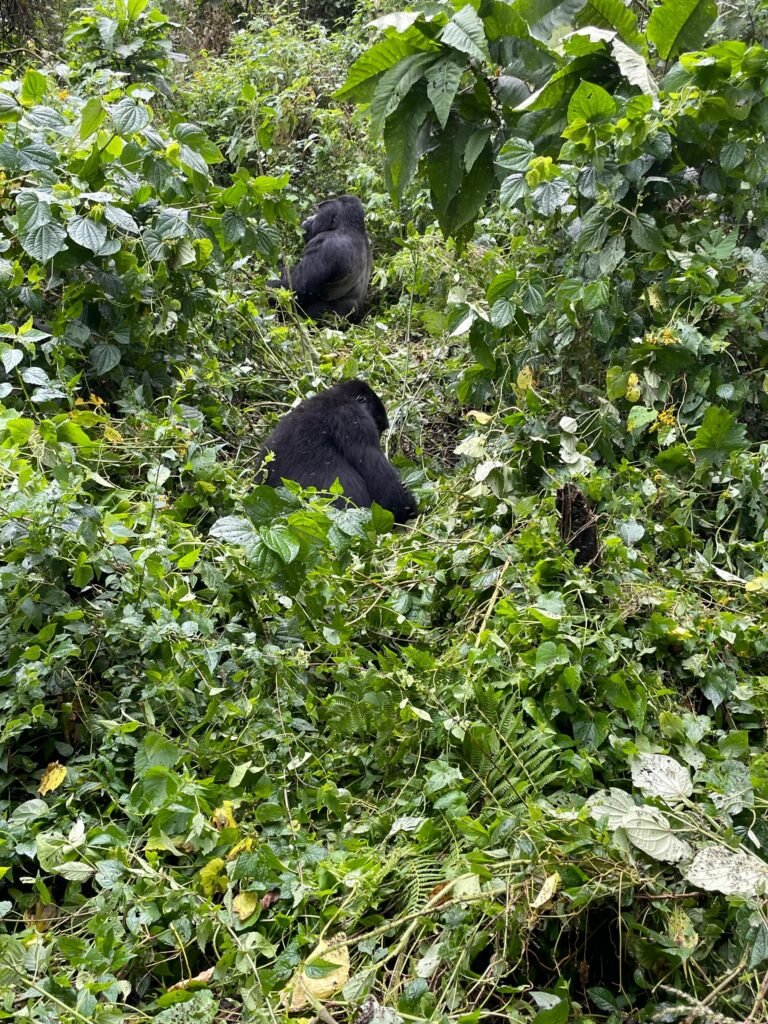
If you are looking for Africa’s most convenient mountain gorilla trekking experience, Volcanoes National Park Rwanda (Parc National des Volcans) is difficult to beat. Unlike reaching Bwindi by road from Entebbe, which usually requires a full day of travel, Volcanoes National Park can be reached from Kigali in roughly 2.5 to 3 hours.
But accessibility comes at a premium. A single gorilla permit here costs $1,500. This guide breaks down whether that investment makes sense for your travel style and how to navigate the operational realities of the park in 2026.
Volcanoes National Park Rwanda at a Glance
- Location: Northern Rwanda
- Gateway town: Musanze
- Distance from Kigali: approximately 2.5–3 hours by road
- Main experience: mountain gorilla trekking
- Gorilla permit: US$1,500 for international visitors
- Minimum gorilla trekking age: 15
- Time with gorillas: one hour after finding the family
- Best trip length: 2–3 nights for most travellers
- Other highlights: golden monkeys, Bisoke hike, conservation experiences, cultural visits
- Best combined with: Kigali, Akagera, Nyungwe, Bwindi and Mgahinga
Is the 2.5-hour drive from Kigali actually worth the $1,500 permit?
One of the main reasons travellers choose Rwanda over Uganda is time.
The road from Kigali to Musanze (the town nearest the park) is well-paved and scenic. Kigali itself is part of the appeal: clean streets, orderly traffic, and a city that feels very different from what many first-time visitors expect. You leave the capital’s neighborhoods and, within 90 minutes, you are surrounded by the steep, terraced hills that give Rwanda its “Land of a Thousand Hills” moniker.
Volcanoes usually wins on convenience. Bwindi wins on permit value and variety of gorilla experiences.
A Rwanda permit costs nearly twice the standard international visitor price of a Uganda permit.
If you have the time for a longer road trip, check out our Uganda Gorilla Trekking Guide. If you want a shorter, more streamlined gorilla trip without a full day on the road, Rwanda is usually the better choice.
What happens at 7:00 AM at Kinigi Headquarters?
Your day starts early. Visitors gather at the park headquarters in Kinigi at 7:00 AM for briefing and group allocation. The air here can feel significantly colder than Kigali, so a fleece or light insulated layer is useful while you wait.
Trekking groups are limited to eight visitors, and family assignments take fitness levels into account. If you have mobility concerns, tell your Orugano Safaris guide and the park staff before assignments are finalised.
No family can be guaranteed as an “easy” trek. Mountain gorillas move freely, so the same group may require a short walk one day and a much longer climb on another.
Trekking in Volcanoes vs Bwindi: What the Terrain Actually Means for You
The more open bamboo zones can make photography easier than in Bwindi’s dense rainforest. Trekking difficulty, however, varies in both parks. Volcanoes begins at higher altitude, while Bwindi can involve denser vegetation and steeper forested terrain. Neither destination guarantees an easy trek.
Why is Volcanoes National Park part of a three-country ecosystem?
Volcanoes National Park protects Rwanda’s side of the Virunga Massif, a transboundary mountain ecosystem shared with Uganda and the Democratic Republic of the Congo. Five of the massif’s volcanoes rise along Rwanda’s northern frontier: Karisimbi, Bisoke, Sabyinyo, Gahinga and Muhabura.

This geography is one reason the region works so well for a combined Rwanda–Uganda safari. From the Volcanoes region, travellers can continue towards Uganda through the Cyanika border, linking Rwanda’s gorilla and volcano experiences with Mgahinga, Lake Mutanda and Bwindi.
What else can you do besides see gorillas?
Many travellers arrive for the gorillas and leave the region the following day. We think that is a missed opportunity. Volcanoes National Park offers several rewarding high-altitude hikes.
1. The Mount Bisoke Crater Lake Hike
Mount Bisoke (3,711m) is a perfectly shaped volcano. The full hike usually takes around 5–7 hours for reasonably fit hikers, although wet conditions and individual pace can make the day longer. The prize at the summit is a crater lake at roughly 3,700 metres.
Reality check: Volcanic soil and frequent rain can make the trail extremely muddy and slippery. In wet conditions, you may finish with mud well above your boots, so this is not the day for your best clothes.
2. The Dian Fossey Tomb (Karisoke) Trek
For those interested in the history of conservation, this trek leads to the ruins of Dian Fossey’s original research station. You can see the grave of the famous primatologist and the “gorilla graveyard” where many of her subjects, including Digit, are buried. It is a sombre, beautiful walk through the hagenia-hypericum forest.
3. Ellen DeGeneres Campus of the Dian Fossey Gorilla Fund
For travellers interested in gorilla conservation, this campus near Kinigi is one of the strongest additions to a Volcanoes itinerary. The facility combines interactive exhibits, a research centre, and a conservation gallery that tells the story of Fossey’s work and the ongoing efforts to protect mountain gorillas. It is an excellent option for a second day in the region without the physical demands of another hike.
4. Golden Monkey Trekking
If you want a generally less demanding primate experience, golden monkey trekking is an excellent second activity. Golden monkeys live in the bamboo forests at the base of the volcanoes. They are fast, chaotic, and very fun to photograph. Unlike the gorillas, which can be stationary for an hour, the monkeys are constantly on the move.

What should you pack for the high altitude?
The biggest mistake we see is travellers packing only for “tropical Africa.” Volcanoes National Park can be surprisingly cold, especially early in the morning and at higher elevations.
- Fleece or light insulated layer: Useful for the cool early morning briefing.
- Lightweight waterproof jacket: Mountain weather changes quickly.
- Gaiters: Highly recommended for mud, vegetation and keeping debris out of your boots.
- Gardening gloves: Useful when holding vegetation for balance.
- Hiking boots with ankle support: Important on muddy and uneven volcanic terrain.
When is the best time to visit Volcanoes National Park?
Gorilla trekking operates throughout the year. The drier periods, typically from June to September and December to February, are generally preferred for hiking because trails may be less muddy. The wetter months can make trekking more demanding, but the forest is exceptionally green and visitor demand may be lower outside peak travel periods.
Weather in the Virunga highlands is unpredictable in every season. Rain can fall at any time, so waterproof clothing and proper hiking footwear are worth carrying year-round.
Where should you stay near Volcanoes National Park?
Most travellers stay around Kinigi or Musanze. Kinigi is the most convenient base for an early gorilla trek because the park headquarters is nearby, while Musanze offers a wider choice of accommodation, restaurants and local services.
The Volcanoes region has everything from comfortable mid-range lodges to some of Africa’s most exclusive gorilla properties. Your choice should depend less on the hotel’s marketing and more on your itinerary: for a single gorilla trek, proximity to Kinigi matters; for a longer stay, views, privacy and access to additional activities become more important.
We normally select accommodation according to budget, travel style and the activities planned for each day.
Which Rwanda safari itinerary is right for you?
We design our Rwanda packages to maximise your time in the park. For travellers who have come this far, we usually recommend two or three nights in the Volcanoes region rather than treating the park as a rushed overnight stop. This allows time for the gorilla trek plus a second experience such as golden monkeys, Mount Bisoke, a conservation visit or a cultural activity.

- For the time-crunched: Our 4-Day Gorillas & Culture Safari includes the trek and a visit to the Gorilla Guardians Village to see local traditions.
- For the primate lover: The 4-Day Rwanda Gorilla and Golden Monkey Safari covers both species in one go.
- For the ultimate adventure: Many of our guests choose to combine the two countries. You can trek in Rwanda, then cross the Cyanika border into Uganda for a second trek or habituation experience. Check out our 13-Day Rwanda-Uganda Safari or the more comprehensive 15-Day Combined Tour.
How does Volcanoes compare to Bwindi?
If you are still undecided on which park to visit, read our deep dive: Rwanda vs Uganda Gorilla Trekking: The Honest Truth.
In short: Choose Volcanoes for easier access from an international airport, exceptional luxury lodge options and often more open photography conditions. Choose Bwindi for lower permit costs, a denser rainforest experience and the option of a four-hour gorilla habituation experience.
Rwanda also appeals to travellers who want more than a gorilla permit and a lodge transfer. Kigali adds context to the trip. You see a capital known for its clean streets and order, but you also have the option to visit places that explain the country’s harder history and how it has rebuilt since 1994.


Ready to check permit availability?
Gorilla permits for popular travel periods can sell out months in advance. For July, August, the Christmas–New Year period and other high-demand dates, early planning is sensible.