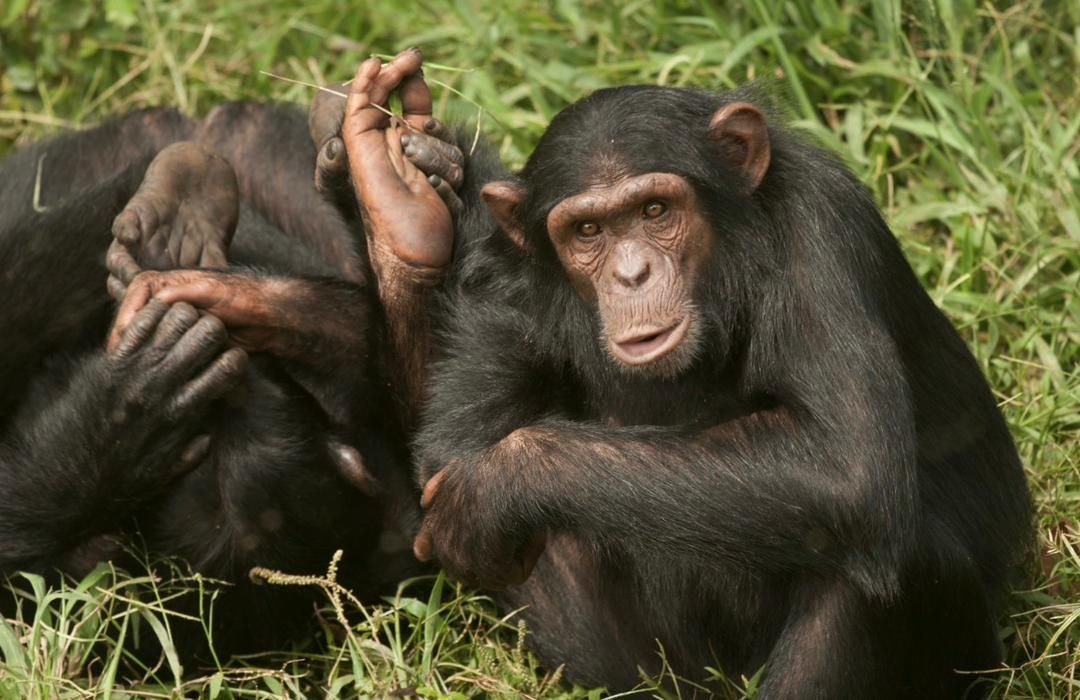
Chimpanzee tracking Uganda is not a walk in the park. It is a humid, loud, and often muddy scramble through dense equatorial rainforests. If you expect a sanitized zoo experience, you will be disappointed. But if you want to stand 10 meters away from a 50kg alpha male while he screams a “pant-hoot” that vibrates in your chest, this is one of the most direct wildlife encounters in East Africa.
Uganda is home to roughly 5,000 chimpanzees. Unlike mountain gorillas, which are sedate and predictable, chimps are frantic. They move fast, they climb high, and they live in complex social hierarchies that feel unsettlingly human. This guide breaks down exactly where to go, what it costs, and what to expect from Uganda’s rainforest terrain when planning chimpanzee tracking Uganda.
What is chimpanzee tracking Uganda?
Chimpanzee tracking Uganda is a guided trek into a protected forest to locate a “habituated” troop of wild chimpanzees. Habituated means the chimps are accustomed to human presence and won’t flee or attack when you arrive.
You start with a 7:30 AM or 8:00 AM briefing at a ranger station. You then follow armed UWA (Uganda Wildlife Authority) rangers into the bush. They use radio calls and fresh dung, nests, or discarded fruit skins to find the troop. Once you find them, you have exactly 60 minutes to observe them. They might be grooming on the forest floor, or they might be 30 meters up in a fig tree, bring a neck strap for your binoculars because you will be looking up a lot. For permit rules and park updates, it helps to check the Uganda Wildlife Authority alongside your operator’s advice when planning chimpanzee tracking Uganda.
Best places for chimpanzee tracking Uganda
While Kibale National Park is the most famous, it isn’t your only option. Your chimpanzee tracking Uganda choice depends on your budget and how much you enjoy hiking on steep inclines.
| Location | Success Rate | Permit Cost | Best For |
|---|---|---|---|
| Kibale | 95%+ | $250 | Closest to mainstream Safari parks |
| Kalinzu | Very High | $130 | Bwindi itineraries / Closer to Orugano Lodge |
| Budongo | High | Mid-range | Birders and forest walk lovers |
| Kyambura | Moderate | $100 | Queen Elizabeth Park visitors |
| Toro-Semliki | Variable | Specialist | Repeat Uganda visitors |
Kibale National Park
Kibale is the “Primate Capital of the World” for a reason. It has the highest density of primates in Africa.
- Success Rate: Over 95%.
- The Reality: It is the most crowded. You will likely be in a group of 6-8 people. The terrain is relatively flat compared to Bwindi, but the “forest floor” is often a tangle of roots and stinging nettles. For many travelers, this is the default chimpanzee tracking Uganda option because of the strong success rate and established visitor setup.
Kalinzu Forest
Located near Queen Elizabeth National Park, Kalinzu is the best value-for-money option for chimpanzee tracking Uganda.
- The Reality: The forest is secondary growth, meaning it’s thick. You will do more “bushwhacking” here than in Kibale. It is managed by the National Forestry Authority (NFA), not UWA, so the permits are cheaper.
Budongo Forest
Situated within the Murchison Falls Conservation Area, Budongo is a massive mahogany forest.
- The Reality: This is the best place for birders. The tracking is generally easier on the legs because the terrain is flat, but the chimps here cover large distances, so you might walk for four hours before seeing a single ear.
Kyambura Gorge
Also known as the “Valley of Apes,” this is a 100-meter deep gash in the savannah of Queen Elizabeth National Park.
- The Reality: You hike down into a sunken tropical forest. It is a closed ecosystem. If the chimps are at the other end of the gorge, you are in for a very long, hot climb. The success rate is lower (around 60%), but the scenery is the most dramatic in Uganda.
Toro-Semliki Wildlife Reserve
This is a dry, rift valley landscape.
- The Reality: These chimps have been studied for decades to understand how early humans moved from forests to savannahs. It is hot, dusty, and the chimps here are more spread out. Only go here if you are a serious primate enthusiast who wants to avoid every other tourist.

Kibale vs Kalinzu: Which one should you choose?
This is the question we get most at Orugano Safaris. Here is the blunt breakdown:
- Choose Kibale if: You only have one day and “guaranteed” sightings are your priority. You don’t mind paying the premium for a professional visitor center and well-maintained trails.
- Choose Kalinzu if: You are on a budget or doing a 10-day western Uganda safari. The experience is more “raw.” There are fewer tourists, the guides are often more flexible, and the forest feels more wild.
Why Kalinzu Forest is the Smartest Choice for chimpanzee tracking Uganda and Bwindi Travelers
If your trip already includes Bwindi Impenetrable National Park or Gorilla Trekking in Uganda, Kalinzu usually makes more operational sense than Kibale.
Kalinzu sits in a better position for travelers heading south through Queen Elizabeth National Park toward Ishasha and onward to Nkuringo. That means you can combine chimpanzee tracking Uganda with the tree-climbing lions in Ishasha without adding a long detour back through Fort Portal. If you are routing toward Orugano Bwindi Lodge, this is often the cleaner itinerary.
The price difference matters too. Kalinzu permits are around $130, while Kibale permits sit much higher. If you are already budgeting for gorilla permits or even the Gorilla Habituation Experience, saving on chimp permits can free up room in your safari budget without dropping the quality of the wildlife experience.
You also deal with fewer tourists in Kalinzu. That changes the feel of the morning. Briefings are less crowded, the forest feels less managed, and the overall experience is better if you want something that feels less packaged.
Which Chimpanzee Tracking Uganda Destination is Right for You?
- Choose Kibale if: You want the best-known chimp destination in Uganda, you plan to add Bigodi Swamp, or you are linking this part of the trip with western Uganda rather than a direct Bwindi route. It also works well if you are coming from Murchison and building a longer primate-focused circuit through Uganda Safaris.
- Choose Kalinzu if: You care about value, want a lower permit price, and are traveling the practical southbound route toward Bwindi. It fits well with Ishasha and works especially well for travelers sleeping in Nkuringo after chimpanzee tracking Uganda.
- Choose Budongo if: You are already combining chimpanzees with Murchison Falls and want strong birding in a mature forest environment. This is a good choice if forest walks matter as much to you as the chimp sighting itself.
- Choose Kyambura if: You are already inside Queen Elizabeth and want to keep the focus on dramatic landscapes, crater walls, and a chimp experience that fits into that ecosystem rather than building your whole itinerary around primates.
Chimpanzee tracking Uganda permits: Costs and process
You cannot just show up and walk into the forest. You need a permit. Current permit prices are subject to revision by the Uganda Wildlife Authority and other managing authorities. Contact us for the latest availability and rates for chimpanzee tracking Uganda.
- Kibale National Park: Commonly the highest-priced option.
- Kyambura Gorge: Usually one of the lower-cost UWA chimp tracking permits.
- Budongo & Kalinzu: Mid-range to budget-friendly depending on the forest, operator, and season.
The Process: We recommend booking at least 3-4 months in advance, especially for June-August and December-February. Permits sell out. When you book with us, we handle the permit logistics so you just show up at the ranger station with your passport for your chimpanzee tracking Uganda departure.
Chimpanzee tracking Uganda: Habituation (CHEX) vs Tracking
Standard tracking gives you one hour with the chimps. Chimpanzee Habituation (CHEX) gives you four hours.
- The Cost: Check with us for the latest Kibale habituation permit rates.
- The Reality: This is for the hardcore. You start at dawn (around 6:00 AM) to find the chimps as they wake up and leave their nests. You spend the morning following them. You will see them hunt, patrol their territory, and interact in ways the 1-hour groups never see. Be prepared to run; if the troop decides to move 2km inland, you have to keep up. If you are also comparing gorilla products, this is the chimp equivalent of going deeper, much like the Gorilla Habituation Experience does for gorilla travelers.

Best time to visit
Uganda is on the equator, so it’s always “safari season,” but the rain changes the game.
- Dry Seasons (June–August, December–February): Best for trekking. The trails are drier, and there are fewer mosquitoes. However, the chimps may move deeper into the forest in search of water.
- Wet Seasons (March–May, September–November): The forest is lush and food (fruit) is everywhere. This often means the chimps stay in one place longer, making them easier to track. The downside? You will be hiking in deep mud and your boots will stay wet for three days.
Photography tips for the rainforest
The rainforest is a nightmare for cameras. It is dark, humid, and the subjects are moving fast.
- ISO is your friend: Don’t be afraid to push your ISO to 3200 or higher. A grainy photo is better than a blurry one.
- No Flash: It is strictly prohibited. It agitates the chimps.
- Fast Glass: A 70-200mm f/2.8 lens is the “gold standard” here. Anything slower (f/4 or f/5.6) will struggle under the thick canopy.
- Weather Sealing: If your camera isn’t weather-sealed, bring a dry bag or a simple plastic “sleeve.” A 10-minute tropical downpour can fry your electronics.

Combining chimpanzee tracking Uganda and gorillas: The logistics
Most travelers want to see both. Logistically, this usually means starting in Kibale National Park for chimpanzee tracking Uganda and then driving 6-8 hours south to Bwindi Impenetrable National Park for Gorilla Trekking in Uganda.
- Tip: Don’t do them back-to-back if you aren’t physically fit. Both activities involve hours of hiking. Give yourself a “buffer” day in between, perhaps a boat safari in Queen Elizabeth National Park, to let your legs recover.
The Classic Uganda Primate Circuit (7 Days)
- Day 1: Entebbe – Kibale
- Day 2: Chimpanzee tracking Uganda & Bigodi
- Day 3: Crater Lakes & transfer to Queen Elizabeth
- Day 4: Kazinga Channel & Ishasha
- Day 5: Nkuringo, Bwindi
- Day 6: Gorilla Trekking
- Day 7: Community walk or transfer to Kigali
FAQ
Is it safe?
Yes. You are accompanied by armed rangers. The chimps are habituated. As long as you follow the 8-meter rule and don’t make sudden aggressive movements, they will largely ignore you.
What is the minimum age for chimpanzee tracking?
Usually 12 to 15 years depending on the forest and the managing authority. Kibale commonly uses 12 years, but some sectors or operators may apply stricter rules. We confirm this before you book.
Can children participate?
Usually no. Chimp tracking is generally restricted to the minimum age set by the park or forest authority. Younger children should not be booked for chimp permits.
How difficult is chimpanzee tracking Uganda?
Moderate for most travelers, but it depends on where the troop moves that morning. Expect uneven terrain, roots, mud, wet leaves, and short steep sections. In places like Kyambura, the climb out can feel harder than the chimpanzee tracking Uganda itself.
What should I wear?
Long trousers (tuck them into your socks to avoid safari ants), a long-sleeved shirt, and waterproof hiking boots with good grip. The “safari ant” bite is no joke, tuck your pants in.
Can I track chimps if I have a cold?
No. Chimps share 98.7% of our DNA. A simple human cold or flu can kill an entire troop. If you are visibly sick, the rangers will refuse you entry to protect the primates.
Are permits refundable?
Generally no. Once issued, chimp permits are usually non-refundable unless a specific exception is approved by the managing authority. If your dates may shift, tell us before booking and we will advise on the least risky option.
What happens if I don’t see chimps?
That depends on the forest and the permit terms. Some destinations have very high sighting rates, but no wild chimp sighting is ever 100% guaranteed. Refunds are generally not automatic. We will always advise you honestly on which locations give you the strongest odds before you commit.
Ready to get your boots muddy?
Send us your travel dates and we will check permit availability in Kibale or Kalinzu for you in real-time.