
The Best Bwindi Impenetrable National Park Guide: Plan Your Life-Changing Gorilla Trek
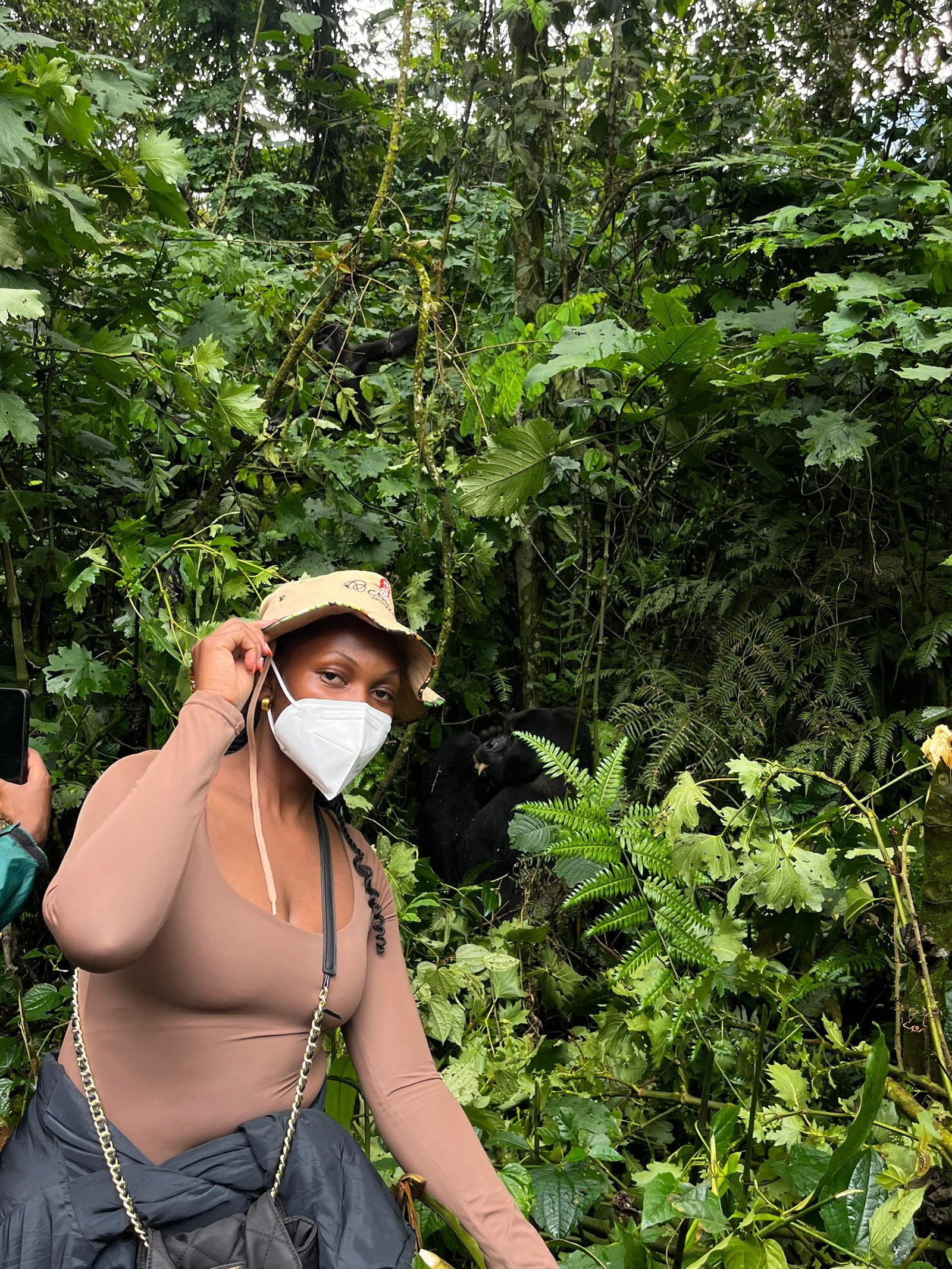
Bwindi Impenetrable National Park is not a place you understand from a brochure. You understand it when your boots are slick with red mud, a ranger in front of you cuts through vines, and the smell of damp earth sits heavy in the air before you even reach the gorillas. If you are planning a Uganda gorilla trip, this is the page you should read first.
This guide brings the whole picture together: what Bwindi is, why it matters globally, how the four trekking sectors differ, how permits work, what the rules actually mean on the ground, and how to choose the right route and lodge without making the common booking mistakes.
> Quick Answer: If you are planning gorilla trekking in Bwindi, first choose the right sector for your route, fitness, and lodge. Rushaga gives you the most gorilla groups and habituation access, Nkuringo is tougher but rewarding for strong walkers, Buhoma is usually the easiest to combine with western Uganda, and Ruhija is best if birding matters to you. Book your permit before flights in peak months, hire a porter even if you are fit, and do not assume one Bwindi lodge works for all sectors.
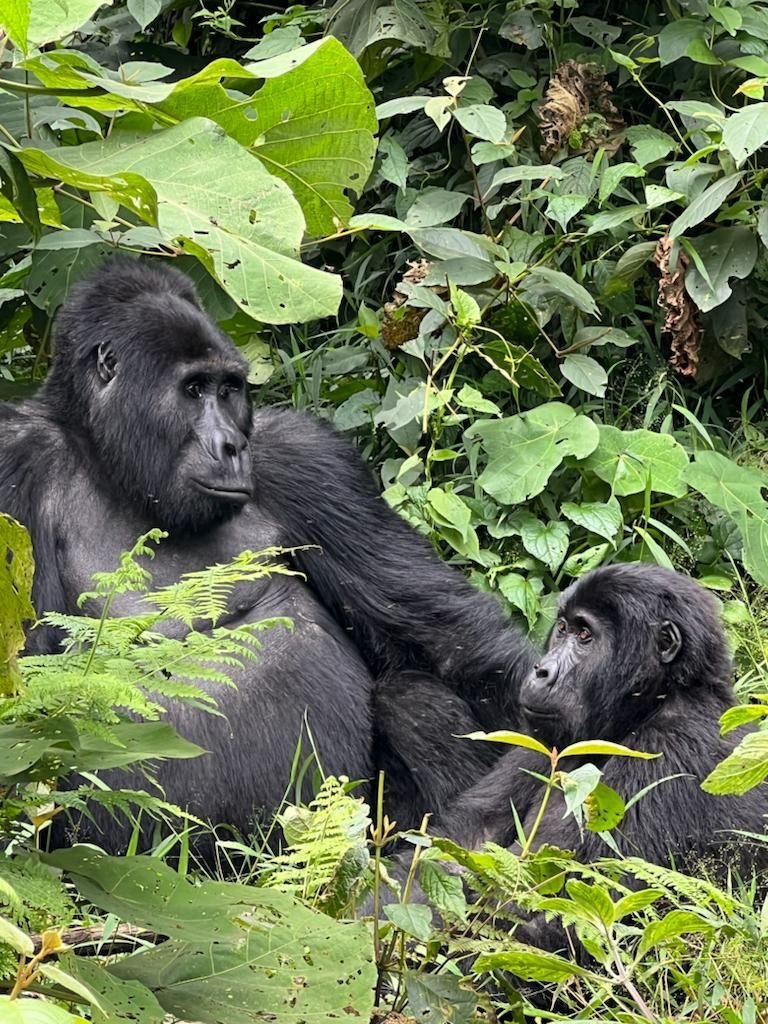
Bwindi Impenetrable National Park is Uganda’s flagship gorilla destination and one of the most important conservation areas in Africa. It is a UNESCO World Heritage Site, recognized for exceptional biodiversity, and the IUCN has long treated the park as a critical stronghold for mountain gorilla conservation in the Albertine Rift. The forest is estimated to be about 25,000 years old, making it one of the oldest surviving montane forests in the region. According to Uganda Wildlife Authority and the most widely cited Bwindi-Sarambwe census baseline, the wider Bwindi population stands at 459 mountain gorillas, roughly half of the world’s remaining mountain gorillas. The park also supports more than 350 bird species, including many Albertine Rift endemics.
Table of Contents
- What is Bwindi? (Ecology & Authority)
- Bwindi Trekking Sectors Comparison
- How Gorilla Families Are Assigned
- Gorilla Trekking Permits & UWA Rules
- Best Time to Visit (Month-by-Month)
- Gorilla Habituation: The 4-Hour Encounter
- How Difficult is Gorilla Trekking?
- Common Bwindi Booking Mistakes
- Kigali vs Entebbe: Getting to Bwindi
- Where to Stay: Operational Logistics
- Frequently Asked Questions
What is Bwindi? (Ecology & Authority)
Bwindi Impenetrable National Park sits in southwestern Uganda on the edge of the Albertine Rift, one of Africa’s most important biodiversity hotspots. UNESCO inscribed Bwindi as a World Heritage Site because the forest holds exceptional biological richness in a relatively compact area. The IUCN has repeatedly emphasized its global conservation value because Bwindi protects one of only two natural habitats for mountain gorillas anywhere on earth.
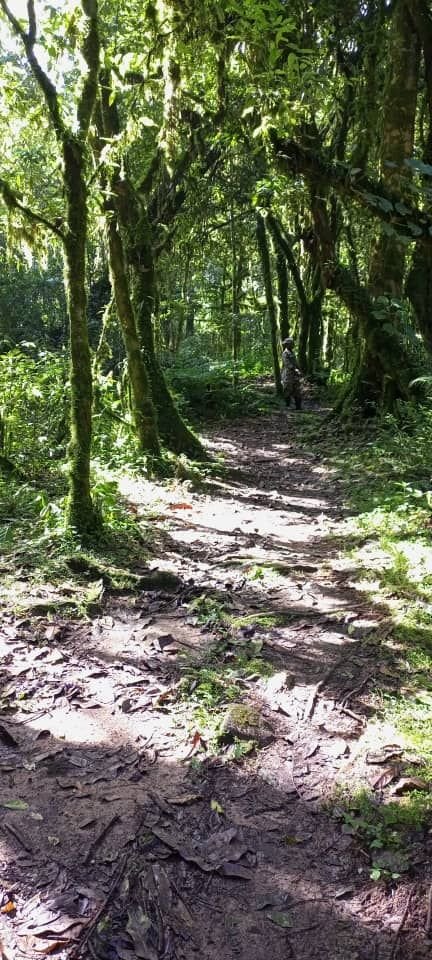
This is not just a gorilla park. It is an old, layered rainforest system with steep ridges, tangled undergrowth, bamboo, ferns, river valleys, and high-elevation forest that changes noticeably from one sector to another. The altitude ranges from roughly 1,160 meters to 2,607 meters, which is why one morning in Buhoma can feel mild while Ruhija or Nkuringo can feel cold enough for a fleece by sunrise.
Bwindi matters because of scale and concentration. In one protected forest, you have:
- roughly 459 mountain gorillas in the wider Bwindi population baseline cited by UWA and conservation partners
- 350+ bird species, including key Albertine Rift endemics
- more than 120 mammal species
- a forest system estimated at around 25,000 years old
But the wider ecology matters too. Forest elephants still move through parts of Bwindi, though they stay far less visible than savannah elephants and you are unlikely to see them on a standard gorilla trek. Chimpanzees live in the forest as well, and you sometimes hear them before dawn or deeper in the canopy during forest walks. Birders come here for Albertine Rift endemics like the African green broadbill, Shelley’s crimsonwing, and regal sunbird, especially around the higher, wetter ridges.
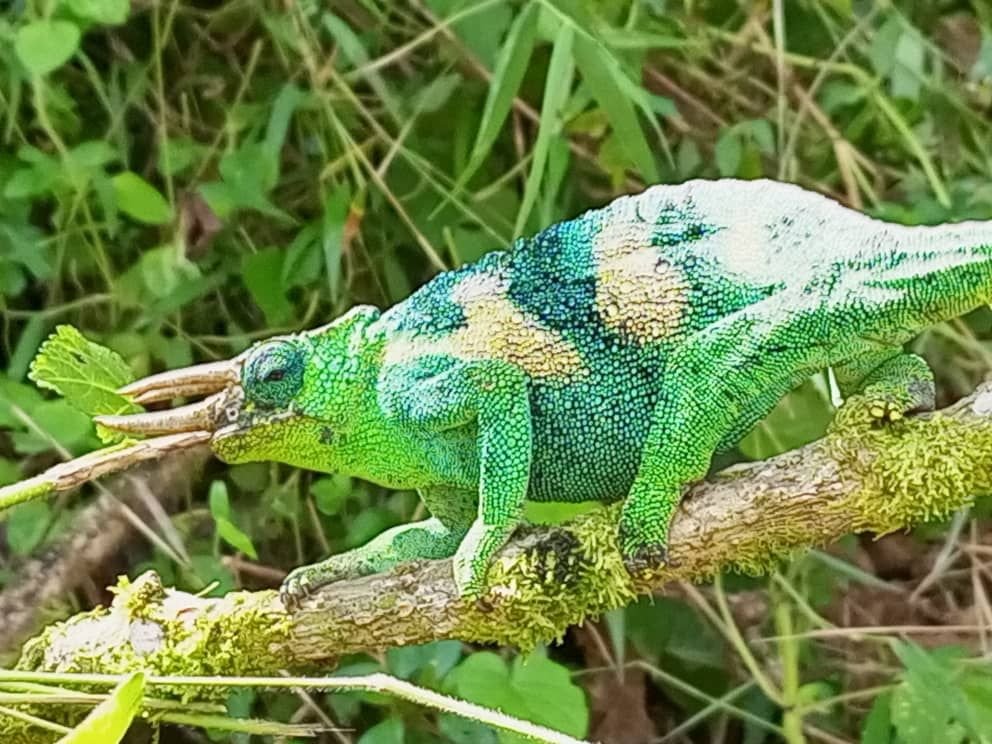
Bwindi is also one of the strongest places to understand the wider animals of Uganda in a forest setting, not just on open savannah. Beyond mountain gorillas, the species list includes forest elephants, chimpanzees, black-and-white colobus monkeys, L’Hoest’s monkeys, duikers, bush pigs, giant forest hogs, and hundreds of bird species. If you want a Uganda safari that feels personal and alive at ground level, this mix of primates, birds, reptiles, and shy forest mammals is part of what makes Bwindi worth the effort.
> Field Note: If you sleep in Ruhija or Nkuringo, the early morning air is often cold enough for a fleece before breakfast. By the time you start climbing, you warm up fast. Layering works better than one heavy jacket.
On the ground, this biodiversity is not abstract. You hear turacos before you see them. You smell wet leaf litter after overnight rain. You watch trackers stop and listen for distant branch snaps. Even when you came for gorillas, the wider ecology is part of the experience.
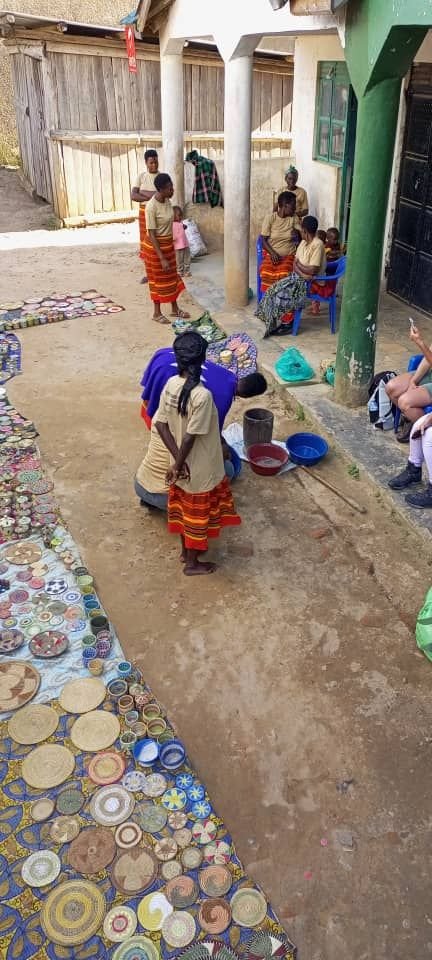
Bwindi also carries a human conservation story. Before the park was gazetted in 1991, the Batwa lived in and around this forest. Today, Batwa community visits give you useful context on the cost and complexity of conservation, not just the tourism headline. They also give you a grounded look at uganda traditions and the wider culture in uganda, especially through forest knowledge, music, storytelling, hunting history, and craft practices that were tied closely to this landscape.
Bwindi Trekking Sectors Comparison
The most common planning mistake is treating Bwindi as one small park with one gate. It is not. Bwindi has four main trekking sectors, and they are far enough apart that your lodge choice must match your permit sector. If you book a lodge in Nkuringo and your permit is in Buhoma, you can create a long, rough transfer that ruins your morning.
Here is the formal comparison you actually need when choosing a permit:
> Planning Checklist
> – Match your permit sector to your lodge
> – Check whether your arrival route favors Kihihi or Kisoro
> – If you want habituation, start with Rushaga
> – If you hate steep climbs, think hard before choosing Nkuringo
A bit more detail on each one:
Buhoma
Buhoma is the classic starting point and the easiest sector to combine with Queen Elizabeth National Park. It has some of the park’s longest-established lodges and a more straightforward operational flow for travelers coming via Entebbe or western Uganda. Treks here can still be hard, but the lower altitude helps some guests.
Nkuringo
Nkuringo is the sector we recommend to travelers who do not mind working for the experience. The views toward the Virunga volcanoes are superb on a clear day, but the climbs are real. If it rains, the slopes become slick fast. This is also where your lodge position matters most because the final uphill return can feel brutal after a long trek.
> Expert Insight: Nkuringo Difficulty
> Nkuringo is not impossible, but it is the sector most guests underestimate. The issue is not only altitude. It is the combination of steep ridges, long descents into valleys, and the climb back out when your legs are already gone. If you are over 50, not a regular hiker, or carrying camera gear, hire a porter without debate and tell your guide at briefing if you want the gentlest group assignment possible.
Ruhija
Ruhija is the highest sector and a strong choice if you care about birding, cooler temperatures, and fewer crowds around the lodge zone. The mist can sit on the ridges for hours in the morning. If you are targeting Albertine Rift birds, this is one of the smartest bases in Bwindi.
Rushaga
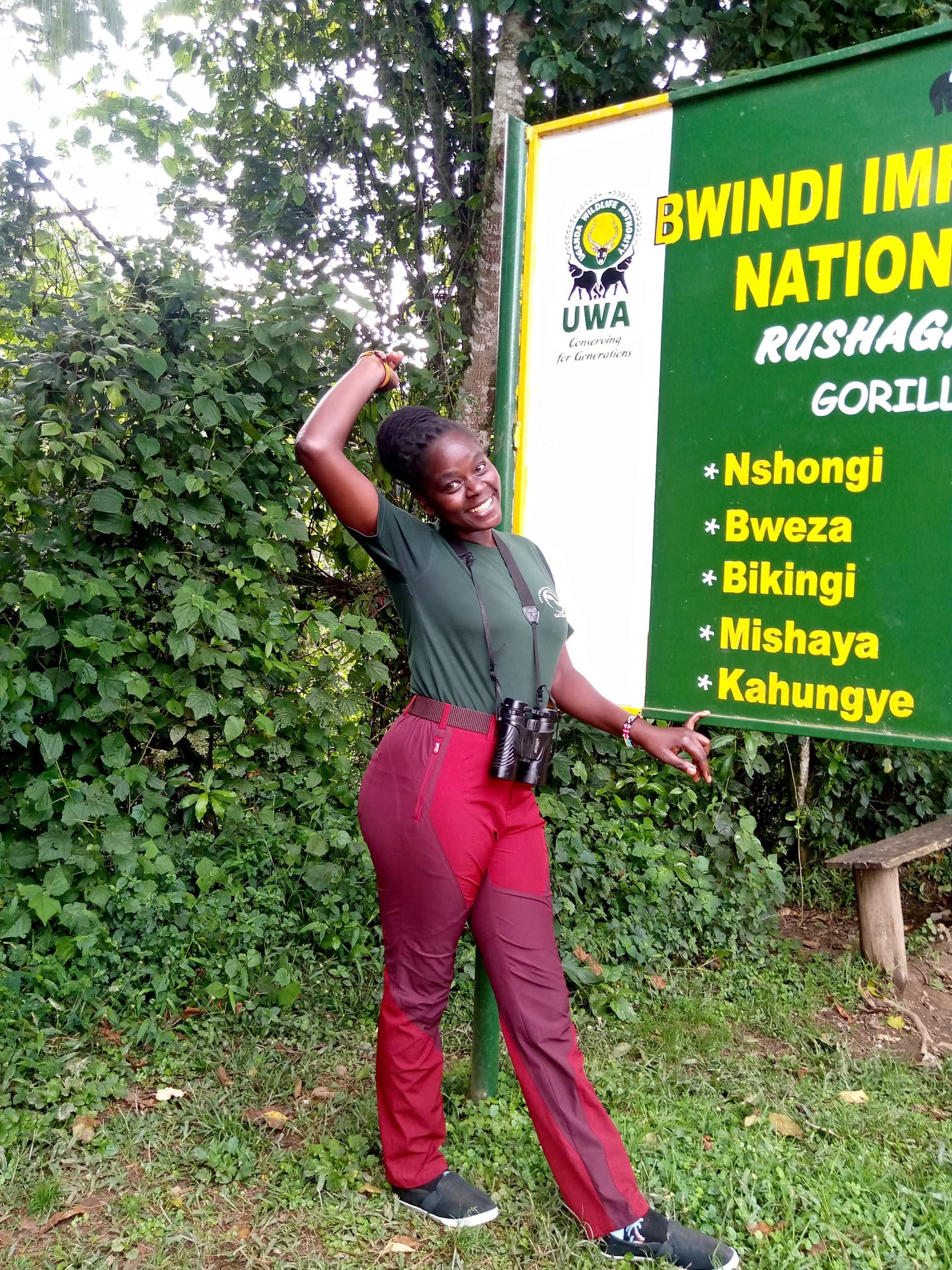
Rushaga gives you the widest operational flexibility because it has the highest number of habituated gorilla groups and it is home to the Gorilla Habituation Experience. It also works well if you are entering Uganda via Kigali and crossing to southern Bwindi.
How Gorilla Families Are Assigned
This is one of the questions guests ask at the briefing point every morning: do you choose the gorilla family, or does UWA choose for you?
In practice, Uganda Wildlife Authority and the briefing team assign families based on a few operational factors:
- your fitness level
- your age
- any medical or mobility limitations you declare
- the known location of the families that morning
- total group size, which is capped at 8 visitors per habituated family for standard trekking
If you are older, recovering from injury, or simply know you are not built for a long steep day, say it clearly at briefing. This is not the moment to act tough. Rangers usually try to match less demanding groups to guests who need them, but there is never a guarantee because gorillas move overnight.
For standard trekking, each habituated family receives a controlled visitor group. For habituation, the process is different because the outing includes researchers, trackers, and a smaller tourist allocation under more field-based conditions. The assignment depends even more on current gorilla movement and team logistics that morning.
> Pull Quote: The best assignment strategy is simple: be honest about your fitness before the briefing starts.
A common mistake is assuming “easy group” means “easy trek.” It does not. A family that nested close can still move uphill after first contact. A group assigned as moderate can become harder if the ground is wet and the slopes are greasy. That is why boots, a walking stick, and a porter still matter even when you think your group sounds manageable.
Gorilla Trekking Permits & UWA Rules
If you want to trek in Bwindi Impenetrable National Park, you need a valid Uganda Wildlife Authority permit for a specific date and sector. In 2026, the standard Uganda gorilla trekking permit is $800 per person for foreign non-residents. The Gorilla Habituation Experience permit is $1,500 per person, rising to US$1,800 for foreign non-residents from 1 January 2027 under the UWA tariff.
A few things matter here:
- your permit is tied to a sector, not just the park
- you need to be at the correct briefing point early in the morning
- peak dates in June to August and December to February often sell out months ahead
- if your dates are fixed, you should check availability before booking flights
From what we see operationally, gorilla trekking permits for southern sectors usually move fastest on tight holiday windows, especially when travelers are routing through Kigali. If you are traveling in peak dry season, sending your dates early is the safest move. The main mistake people make with gorilla trekking permits is waiting until flights are ticketed before checking real availability. In practice, the smartest sequence is simple: confirm your dates, check gorilla trekking permits, then lock in flights and lodge. If your trip is fixed around school holidays or Christmas travel, ask us to check gorilla trekking permits in real time before you commit money elsewhere.
What rules does UWA enforce on the trek?
Uganda Wildlife Authority rules are strict because mountain gorillas are vulnerable to human disease and stress. The core rules you need to know are:
- minimum age is 15 years
- you get 1 hour with a fully habituated gorilla family
- keep a 7-meter distance
- do not trek if you are sick with flu, cough, fever, or any contagious illness
- no flash photography
- follow ranger instructions immediately
- keep noise low around the group
- do not eat near gorillas
- if a gorilla moves close to you, stay calm and let the ranger guide the moment
The 7-meter rule is not theoretical. Gorillas share about 98% of our DNA, and respiratory infections are a real threat. If you feel sick, tell your operator before the briefing. It is much better to solve it early than be denied at the trailhead.
If you are still sorting your gear, the full gorilla trekking packing list covers what actually matters on Bwindi trails, from gaiters to gloves.
Best Time to Visit (Month-by-Month)
Bwindi works year-round, but the conditions change your experience more than many travelers expect. Dry season usually means easier footing and stronger permit demand. Rainy season means muddier trails, lower crowds, and very good forest photography because the light is softer and the vegetation looks fresh.
December to February
This is one of the main dry seasons. Trails are usually firmer, though never fully dry in Bwindi. Good for trekking, honeymoons, and travelers with tighter timelines. Permit demand is high. If you are planning an adventure honeymoon Bwindi trip, this is one of the easiest windows to combine gorilla trekking with a more comfortable lodge stay, clearer road access, and a second wildlife stop without spending half the trip drying wet gear.
March to May
This is the long rainy season. Expect slippery trails, wet vegetation, muddy boots, and slower hiking. The upside is fewer crowds and excellent photography with soft light and saturated greens.
June to August
This is the second major dry season and one of the busiest periods in Bwindi Impenetrable National Park. Trekking conditions are generally best, especially for first-time gorilla trekkers. Permit demand is very high.
September to November
This is the shorter rainy period. Conditions can still be very good, but rain returns more consistently. If you do not mind mud, this can be a smart time to travel because the forest feels fresh and visitor pressure is lower.
Quick planning summary
- Dec–Feb & Jun–Aug: dry seasons, best for trekking, highest permit demand
- Mar–May & Sept–Nov: rainy seasons, muddier trails, lower crowds, strong photography conditions
Gorilla Habituation: The 4-Hour Encounter
If one hour feels too short, this is the upgrade you should look at seriously.
The Gorilla Habituation Experience happens in the southern Bwindi area and gives you up to 4 hours with a semi-habituated gorilla family. “Semi-habituated” means the gorillas are already used to some human presence, but they are still in the long process of becoming comfortable with daily, controlled observation. Their behavior can be less settled than fully habituated groups, which is part of why this experience feels more raw and more field-based.
This is not just a longer trek. It is a different product.
You go out with researchers, trackers, and rangers who are actively involved in the habituation process. That matters because they read the group differently from a standard tourism team. They know the individuals, the recent movements, and the behavior cues that tell you when to stay back, when to move slowly, and when the group is likely to shift.
If you want the full picture before choosing between the two products, this detailed Gorilla Habituation Experience guide breaks down the one-hour trek versus the four-hour habituation outing.
> Quick Check: Is Habituation Right for You?
> – You want more time for photography
> – You are fine with a longer, less predictable day
> – You care about the research side, not just the sighting
> – You are staying in the southern Bwindi area
Who is this best for?
- photographers who want more time
- repeat gorilla trekkers
- travelers interested in research and conservation
- guests staying in the Rushaga / Nkuringo side of Bwindi
It still comes with the same realities: an early start, unpredictable terrain, long hours on foot, and the chance of heavy mud if it rains overnight.
How Difficult is Gorilla Trekking?
Short answer: it is often harder than people expect.
Bwindi’s altitude reaches 2,607 meters, and some treks cross steep forest ridges and deeply cut valleys. In the south and east, you feel that more sharply. Around places like the Nyabaremura ridges, the terrain can shift from manageable to punishing fast, especially after rain. One section might be a narrow dirt path; the next is a root ladder, slick clay, or a steep side slope where you plant your stick and hope your boots hold.
The biggest thing to understand is this: the gorillas determine the route. Not you. Not your lodge. Not your permit price. If the family nested close, your day may be manageable. If they moved uphill or deep into thick vegetation, your day gets longer and steeper.
What makes the trek hard?
- uneven and muddy trails
- high altitude in some sectors
- steep ascents and descents
- dense vegetation
- unpredictable tracking time, from under an hour to most of the day
Should you hire a porter?
Yes. In practical terms, a porter is a must-have for most guests.
A porter helps with your daypack, gives you a steadying hand on steep sections, and makes the trek noticeably easier when the trail turns into mud. Just as important, porter fees support the local economy directly. Many porters are from nearby communities, and hiring one is one of the simplest ways to spread tourism income beyond the permit system.
If you are debating whether to save the money, save it somewhere else. On a wet day in Bwindi, a porter earns every dollar.
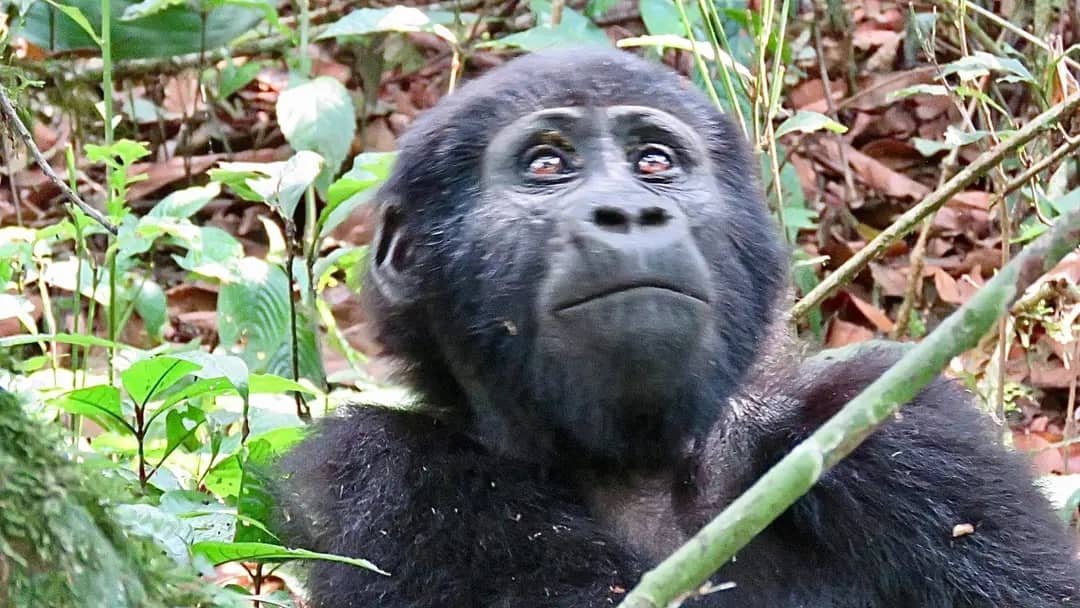
Muddy, slippery trails are normal in Bwindi, even outside the heaviest rains, so waterproof boots and gaiters are not optional extras.
> Reality Check: Being fit helps, but it does not remove the need for boots, rain gear, and a porter. In Bwindi, trail conditions matter as much as your fitness.
Common Bwindi Booking Mistakes
Most Bwindi problems start before you arrive. These are the mistakes we see most often:
- Booking the wrong sector for your lodge. A permit in Buhoma and a lodge in Nkuringo is not a small mix-up.
- Booking flights before checking permit availability. In peak months, permits go before many travelers expect.
- Choosing Nkuringo without being honest about fitness. The views are good, but the climbs are real.
- Ignoring porter advice to save money. This usually looks smart at breakfast and feels foolish on the first steep muddy descent.
- Assuming all sectors have the same access route. Kihihi works differently from Kisoro, and Kigali works better for the south.
- Packing like it is a normal forest walk. Trainers, short trousers, and light city rain jackets are poor choices here.
- Not declaring mobility or health issues at briefing. If rangers do not know, they cannot try to match you to a suitable family.
> Checklist Before You Confirm
> – Permit date checked
> – Sector confirmed
> – Lodge matched to sector
> – Arrival airport matched to route
> – Porter budgeted
> – Gear list reviewed
Kigali vs Entebbe: Getting to Bwindi
This decision affects cost, travel time, and which sector makes sense for you.
If you want the shortest ground transfer to southern Bwindi, Kigali usually wins. If you want a full Uganda circuit with parks along the way, Entebbe usually makes more sense.
The Entebbe route
From Entebbe or Kampala to Bwindi by road, you are looking at a long day. Depending on your exact lodge and sector, it is usually around 8 to 10 hours with stops. The road can be tiring, and some final approach sections are bumpy. The upside is that you can build a fuller Uganda safari around it.
The Kigali route
From Kigali to southern Bwindi sectors like Nkuringo and Rushaga, you are often looking at around 4 to 5 hours on the road plus border formalities. For travelers focused mainly on gorillas, this is often the cleaner routing option.
The fly-in option
Scheduled flights from Entebbe to Kihihi work best for Buhoma and sometimes Ruhija combinations. Flights to Kisoro work best for Nkuringo and Rushaga. Flying saves time and your back, but you still need a road transfer on arrival.
If you want a side-by-side routing breakdown before you book flights, this comparison of Kigali vs Entebbe for Bwindi lays out the transfer realities clearly. If you are still choosing between destinations, this Uganda vs Rwanda gorilla trekking comparison helps you weigh route, permit cost, and trek style. It is especially useful if you are comparing gorilla trekking Uganda and Rwanda based on budget, road time, and how much flexibility you want with sectors and lodge choices.
Where to Stay: Operational Logistics
In Bwindi, where you stay is not just about comfort. It is an operational decision.
Your lodge must align with your permit sector. This is one of the few safari destinations where getting the wrong lodge can create a serious logistics problem. The roads between sectors are winding, mountainous, and slower than they look on a map.
Here is the simplest rule:
- Buhoma permit: stay in or near Buhoma
- Ruhija permit: stay in or near Ruhija
- Nkuringo permit: stay in or near Nkuringo
- Rushaga permit or habituation: stay in Rushaga or the southern Bwindi side
For guests trekking in Nkuringo or using the new Rubuguri habituation access point, Orugano Bwindi Lodge is one of the most practical bases. It works well for travelers who want quick access to the southern side of the park without unnecessary morning transfers. It is especially useful if you are coming in through Kisoro or Kigali and want to stay positioned for southern-sector operations.
What should you prioritize in a Bwindi lodge?
- correct location for your permit
- reliable hot water after the trek
- early breakfast timing
- warm layers or fireplaces in colder sectors
- realistic transfer times, not marketing claims
A beautiful lodge in the wrong sector is still the wrong lodge.
Frequently Asked Questions
1. Is Bwindi safe?
Yes, Bwindi is generally safe for travelers when you trek with UWA rangers and a licensed operator. Gorilla treks are tightly managed, and ranger briefings are mandatory.
2. How close can I get to the gorillas?
The official rule is 7 meters. Sometimes a curious juvenile closes the gap. When that happens, you stay still and follow the ranger’s instruction.
3. Can children trek in Bwindi?
Only travelers aged 15 and above can do gorilla trekking in Uganda.
4. What if I am sick on trekking day?
You should not trek. Respiratory illness is a serious risk to gorillas. Tell your guide or lodge team immediately so they can advise on the next step.
5. Is Nkuringo too hard?
Nkuringo is one of the more demanding sectors, especially on the return climb, but it is still manageable for many travelers who prepare properly and hire a porter.
6. Which sector is easiest?
There is no guaranteed easy sector because gorillas move. That said, many travelers find Buhoma more manageable on average because of lower altitude and access.
7. Is Rushaga better for habituation?
Yes. Rushaga is the main base for the Gorilla Habituation Experience and has the broadest range of habituated groups in the south.
8. Rwanda vs Uganda for gorilla trekking?
Uganda usually gives you better permit value and more sector choice. Rwanda gives you shorter access from Kigali to Volcanoes National Park. Your decision depends on budget, route, and how much time you have.
9. How long does the trek take?
Anything from 45 minutes to 7+ hours is possible. The gorillas’ movement determines the day.
10. Do I need hiking boots?
Yes. Proper waterproof hiking boots matter. Trainers are a bad idea once the trail turns muddy.
11. Are porters worth it?
Yes. For most guests, definitely. They reduce fatigue, improve stability, and support the local economy directly.
12. Can I photograph the gorillas?
Yes, but without flash. Forest light can be dim, so bring a camera that handles low light well if photography matters to you.
13. Is Bwindi only about gorillas?
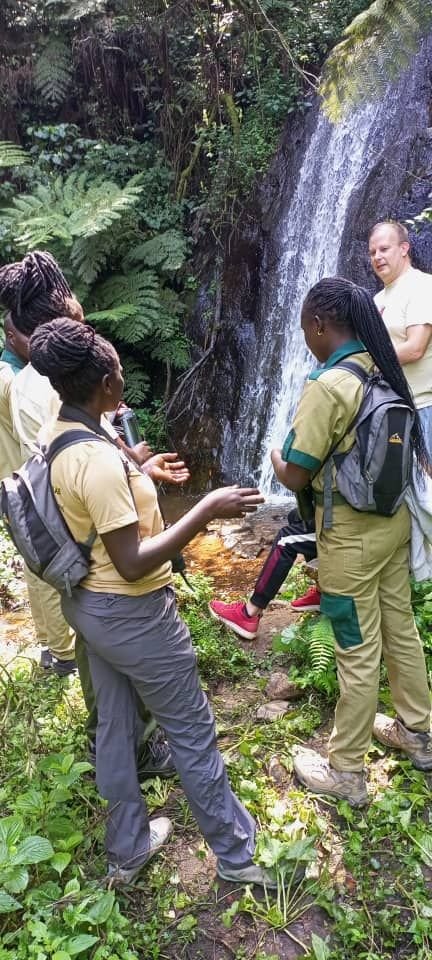
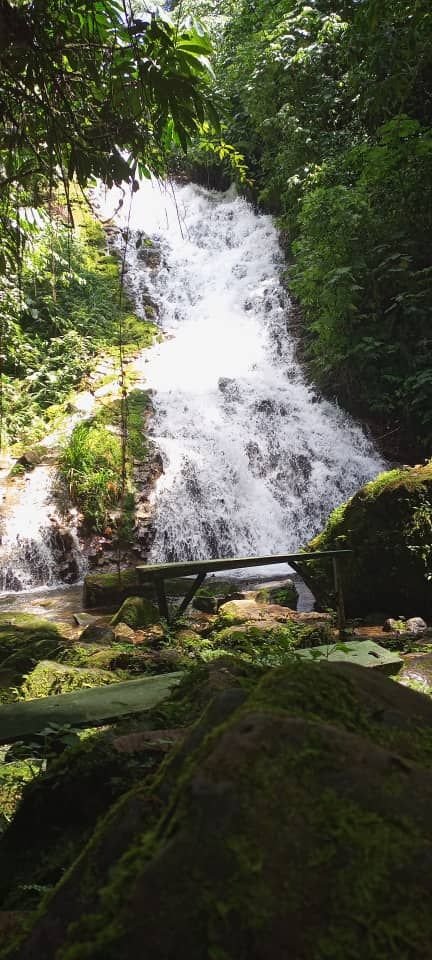
No. Bwindi is also strong for birding, forest walks, waterfalls, Batwa community visits, and wider Albertine Rift biodiversity. If you want to build a broader primate trip, you can also combine Bwindi with experiences like Ngamba Island Chimpanzee Sanctuary for a very different side of Uganda’s wildlife story.
14. What should I pack?
At minimum: waterproof boots, long trousers, gloves, rain jacket, fleece, gaiters, water, and a small daypack. If you want the full list, use this practical gorilla trekking packing guide.
15. When should I book permits?
For peak travel months, book as early as possible. If your travel dates fall in June to August or December to February, checking availability several months ahead is smart. The earlier you check gorilla trekking permits, the more sector and lodge options you keep open.
Final field advice before you book
Bwindi Impenetrable National Park rewards good planning more than last-minute improvisation. Pick the right sector, match the lodge to the permit, budget for a porter, and choose your arrival airport based on the sector you actually want to trek. If you get those four things right, the trip runs much more smoothly.
And when the ranger lowers his voice, points into the undergrowth, and you hear branches snap ahead, all the planning makes sense. This is the kind of trip that stays with you because you feel that you earned it.
Ready to plan your Bwindi trip?
Send us your dates and we’ll check permit availability in real time or tell us your arrival airport and we’ll advise on the best route, sector, and lodge pairing for your trek.